Mexican factories are using fewer and fewer robots
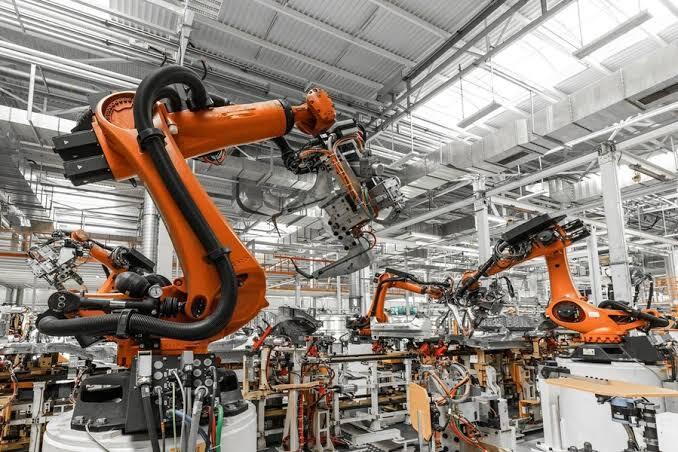
Mexican factories are expected to have 59,300 industrial robots in operation by the end of 2024, while the deployment of new machines has declined for three consecutive years. Mexico installed fewer than 5,200 robots in 2025, reflecting a 7% year-over-year decline, following reductions in installations in 2023 and 2024, according to the most recent data from the International Federation of Robotics.
The country had installed 6,000 robots in 2022, when it reached its highest level since 2017. The figure dropped to 5,832 in 2023, fell again to 5,594 in 2024, and ended 2025 at less than 5,200 units.
The installations have new robots that are used for one year. The operational fleet tracks how many remain in operation, including those installed in previous years. For most countries, the International Federation of Robotics calculates this figure based on cumulative installations over 12 years, a period it uses as the average useful life.
As a result, the robot fleet can grow even if factories have purchased fewer new units. In Mexico, the fleet grew by 6.2% in 2024, according to the 2026 Global Innovation Index, compiled using data from the IFR. WIPO listed the country among the middle-income economies that expanded their industrial robot fleets that year.
However, Mexico installed fewer than 5,200 industrial robots in 2025—7% less than the previous year—marking the third consecutive year of decline. The country ranked ninth worldwide in new installations. In a preliminary presentation held in June, the IFR reported that more than 60% of Mexican demand came from the automotive industry and estimated that installations in that sector had fallen by 10% during 2025.
The size of Mexico’s industrial base is part of a manufacturing sector that has incorporated automation for decades, particularly in the production of automobiles and components. Mexico imported US$192 million worth of industrial robots in 2024, according to records from the Ministry of Economy. Japan was the leading supplier, with US$44.5 million, while China accounted for US$33.8 million.
The absolute size of the robot fleet paints a different picture when adjusted for manufacturing employment. Mexico had 62 robots per 10,000 workers in the sector in 2024, less than half the global average of 132.
Mexico currently has nearly 60,000 industrial robots in operation, one of the largest fleets in the world. New installations, however, have been declining for three consecutive years and totaled approximately 5,200 units at the end of 2025. Meanwhile, the global market surpassed 600,000 installations for the first time that year.