Mexico and U.S. Settle Tecnos Labor Dispute
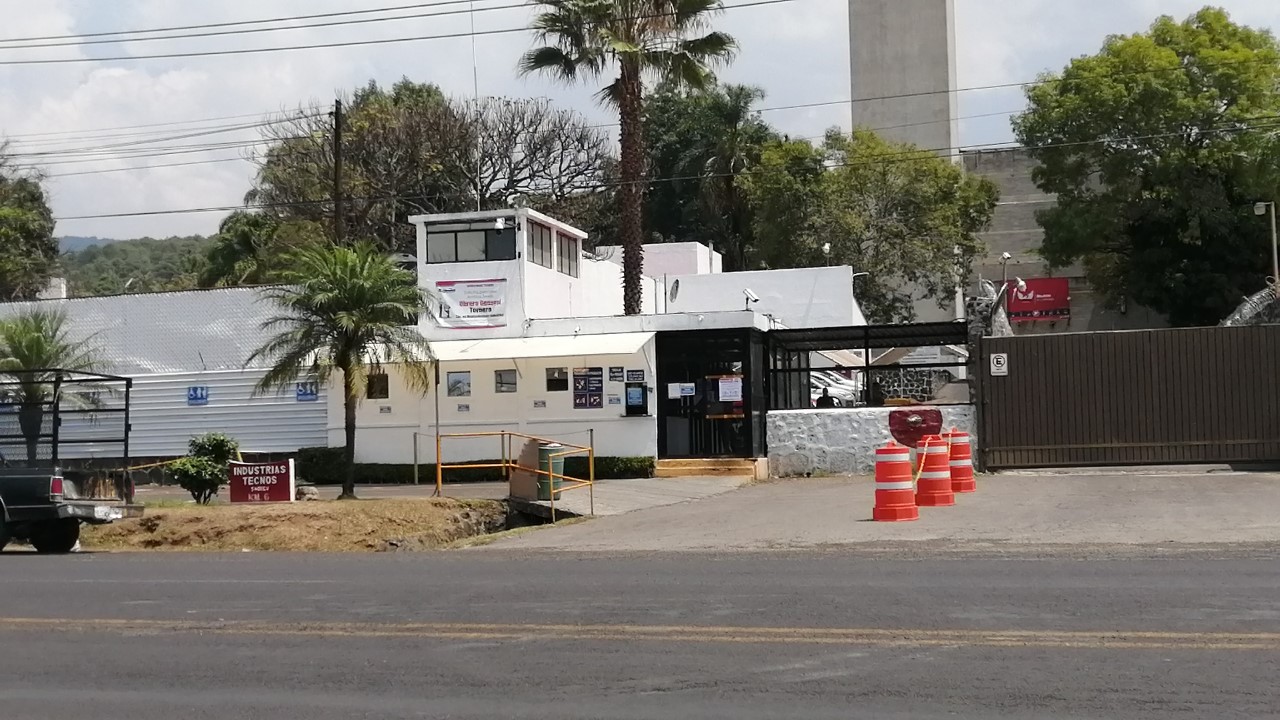
The governments of Mexico and the United States have signed an agreement concerning the Industrias Tecnos plant in Cuernavaca, Morelos, bringing the labor dispute to an end and suspending the establishment of the arbitration panel requested under the United States-Mexico-Canada Agreement (USMCA).
The case officially began in May 2024, when the U.S. Interagency Labor Monitoring and Enforcement Committee received a petition under the Rapid Response Labor Mechanism (RRLM) from the Independent Union of Workers and Employees in Transportation, Loading and Unloading, Exploration and Mining of Base Metals, Metal Products, and Related Industries of the Mexican Republic, known as the Metal Workers’ Union.
Following a preliminary assessment, Washington formally requested that Mexico review labor conditions at the facility, where ammunition is manufactured, in June 2024. However, Mexico's labor authority concluded, following an internal investigation, that there was no evidence of labor rights violations at the plant. This prompted the U.S. government to formally request the establishment of an arbitration panel under Article 31-A.5.1(a) of the trade agreement.
Rather than proceeding with the panel's establishment and initiating international litigation, both governments opted to pursue bilateral negotiations. In November 2026, they announced the signing of a memorandum of understanding.
Under the agreement, Industrias Tecnos will be responsible for verifying and paying the appropriate statutory compensation, including outstanding wages and benefits to dismissed workers. The company will also implement and provide workforce training on guidelines to ensure neutrality regarding freedom of association and collective bargaining, establish a confidential complaint channel, and ensure transparency in the reporting of related information through its internal systems.
Mexico's labor authorities, in turn, have committed to reviewing dismissal cases reported by their U.S. counterparts to verify compliance with labor legislation; conducting direct workplace inspections; providing in-person training on union rights to both workers and management; and maintaining direct reporting channels to investigate potential acts of interference at the manufacturing facility.
Of the six labor panels filed in Mexico, some cases remain under review: Pirelli in Silao, Guanajuato; Bader in León, Guanajuato. While, the Tecnos case in Cuernavaca, Morelos, has now concluded with the signing of a bilateral agreement between the two governments.