TetraPak Unveils Its Industrial Automation Platform
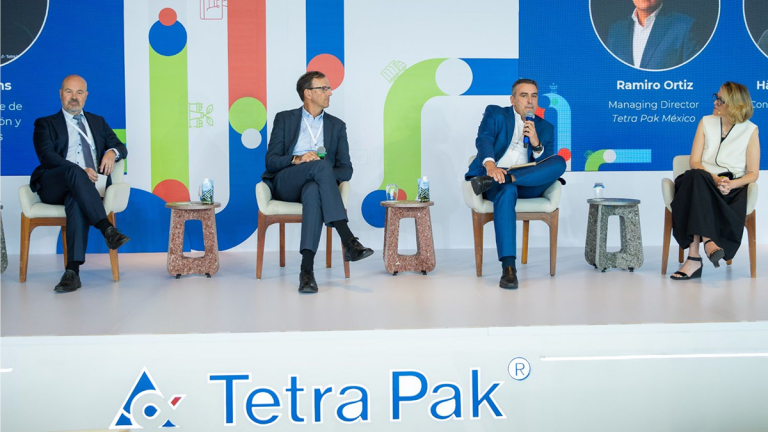
Food and beverage plants with higher levels of automation can achieve up to 20% higher overall equipment effectiveness (OEE), reduce product waste by up to 45%, and decrease packaging line downtime by up to 20%, compared to facilities with lower levels of technology, according to studies presented by Tetra Pak, during ForoMX 2026.
The adoption of technology directly leads to increased production volumes, cost containment, and reduced product losses, as well as more efficient use of water, energy, and raw materials. The challenge facing manufacturers is shifting from automating individual processes to integrating information from different areas to support real-time operational decision-making.
Food and beverage plants with higher levels of automation can achieve up to 20% higher overall equipment effectiveness (OEE), reduce product waste by up to 45%, and decrease packaging line downtime by up to 20%, compared to facilities with lower levels of technology, according to studies presented by Tetra Pak.
The adoption of technology directly leads to increased production volumes, cost containment, and reduced product losses, as well as more efficient use of water, energy, and raw materials. The challenge facing manufacturers is shifting from automating individual processes to integrating data from different areas to support real-time operational decision-making.
One of the technologies showcased was Tetra Pak Factory OS, a platform that combines artificial intelligence with industrial automation, data analysis, and real-time monitoring. It aims to aggregate and contextualize information from production lines to identify deviations, optimize resources, and accelerate decision-making within plants. Similarly, the company shared the results of its Advanced Agreements, which integrate specialized services, digital tools, manufacturing methodologies, and operational expertise.
Under the Tetra Pak model, there is an average 9% improvement in OEE and an 11% reduction in operating costs, in addition to a 94% contract renewal rate.