New USMCA Requirements for Automakers
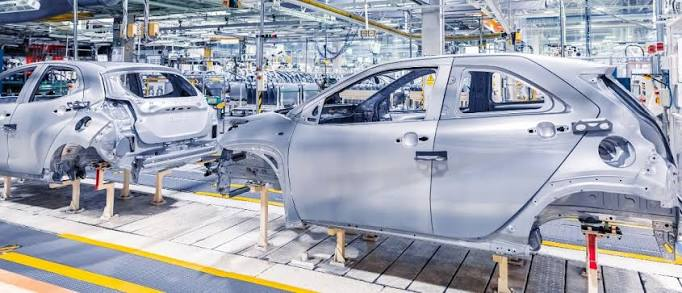
USMCA rules have significantly increased Regional Value Content (RVC) requirements and customs oversight, prompting automotive plants in Mexico to adjust their sourcing and rules-of-origin compliance to maintain tariff preferences and avoid disruptions to exports across North America.
For this reason, foreign trade specialist Lidia Luevano has warned that plants must move away from isolated work plans, since compliance with the rules of the United States-Mexico-Canada Agreement requires that the foreign trade department position itself as a central hub in the organization’s day-to-day decision-making.
“In our day-to-day work in the area of foreign trade, simply complying with the USMCA isn’t really enough for us anymore. Before, the foreign trade department was on its own; no one paid us any attention. Today, we can no longer go it alone—we work as a team, and foreign trade has become a key part of the institution alongside procurement, supply chain, engineering, finance, and legal,” the expert noted.
The level of scrutiny by border authorities has changed dramatically. As a result, the director of Foreign Trade at the renowned firm J.A. Del Río explained that inspections today are no longer limited to the formal presentation of a certificate; instead, auditors are demanding technical supporting documentation to prove the actual origin of each component, which has a critical impact on sensitive materials such as steel and aluminum.
For this reason, the emphasis is placed on the need to avoid a more severe reaction when sanctions or tariffs become unavoidable. Luevano recommends that companies adopt a proactive stance and conduct tests on their bills of materials, urging management to run simulations through to their ultimate financial consequences, thereby anticipating the potential impact of losing the preferential tariff rate.