ISUZU Proposes a Japanese Methodology for Fleet Strategy
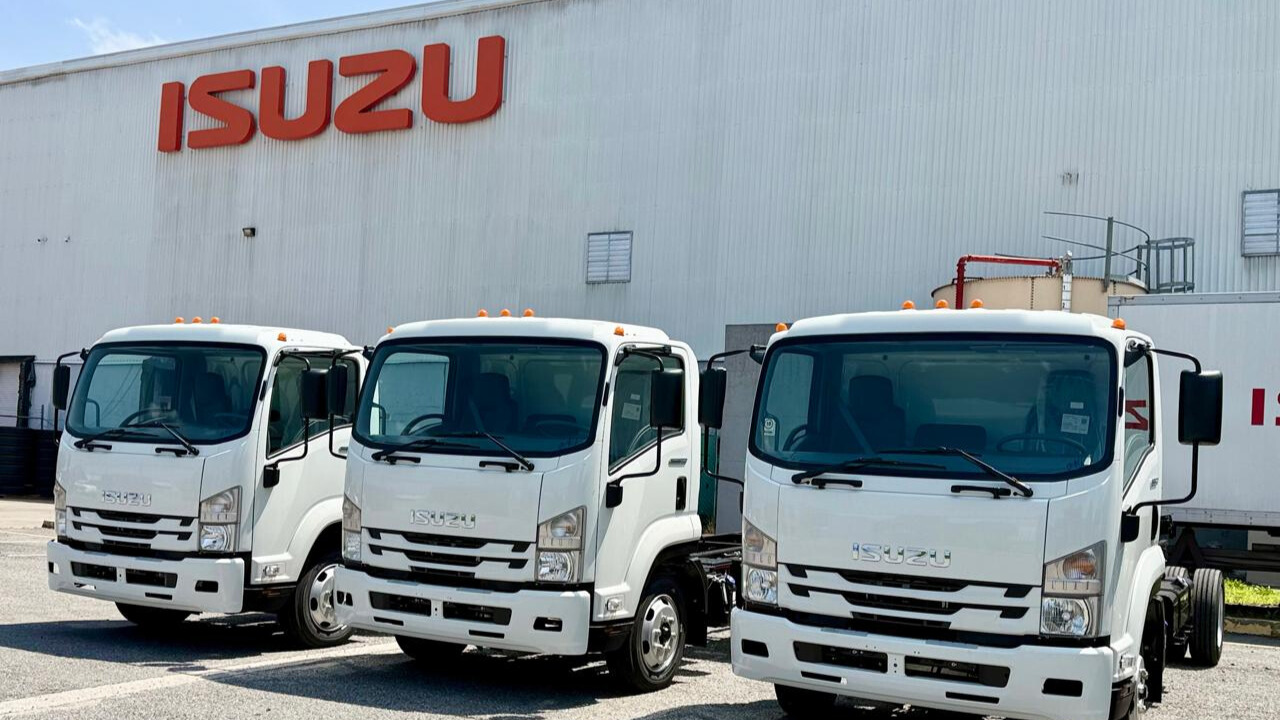
ISUZU Motors de México proposes the use of a Japanese methodology for the strategic renewal of freight transport fleets, which takes into account the Total Cost of Ownership (TCO), predictive maintenance, safety, environmental performance, and residual value when deciding whether to maintain, recondition, or replace a vehicle.
The proposal was presented by Constantino Vázquez, Manager of Dealer Development and Institutional Relations at ISUZU Motors de México, during the National Freight Transport Forum organized by the National Association of Private Transport (ANTP).
The model suggests that the decision to replace a vehicle should not be based solely on its years of operation, but rather on a comprehensive analysis of costs and performance that determines whether a vehicle should be retained, refurbished, or replaced.
ISUZU decided to present an annual evaluation based on 100 points, divided into five categories. Life-cycle cost accounts for 30%; reliability and availability, 25%; safety, 20%; environmental performance, 15%; and residual value, 10%.
The goal is to enable companies to compare the performance of each unit and determine more accurately when to maintain, recondition, or replace it.
ISUZU argued that fleet renewal should be linked to profitability, customer satisfaction, and each company’s growth objectives. Under this approach, vehicle management shifts its focus away from age and toward financial, operational, safety, and environmental factors in order to maintain the availability and competitiveness of freight transportation.