ANIQ Estimates Mexico’s Petrochemical Capacity
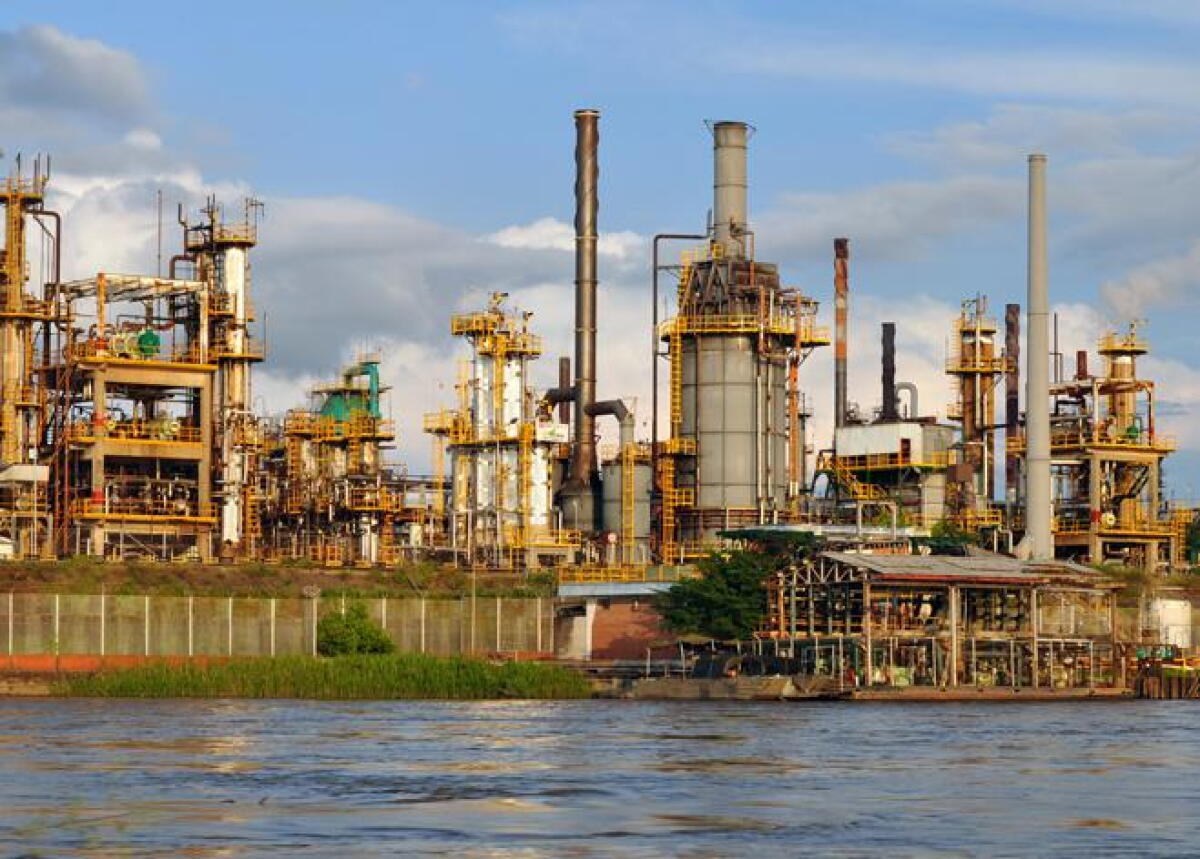
In Mexico, 30% of the installed capacity in the chemical and petrochemical sectors remains idle, while more than 40 industrial sectors need sufficient supplies to carry out their operations, according to Jesús Sáenz González, president of the National Association of the Chemical Industry (ANIQ).
Similarly, he has stated that ensuring a sufficient and competitively priced supply of natural gas, electricity, and raw materials—in addition to establishing regulatory conditions that provide certainty for investment—is essential to harnessing the potential of the chemical industry and strengthening Mexico’s manufacturing competitiveness.
He added that the chemical industry supplies inputs for 95% of value chains and accounts for 1.6% of the national GDP, with annual consumption of US$48 billion and average investments of US$1,000,000,000.
Sáenz emphasized the need to reduce dependence on imported natural gas, ensure competitive raw materials from Pemex, and promote the exploration of domestic reserves, as well as to modernize and expand refining and processing capacity.
In this context, he noted that ANIQ is working with Pemex to identify opportunities for private-sector participation in the Petrochemical Industry Revitalization Plan, primarily in the ethane-ethylene supply chain.
Similarly, he emphasized the need to strengthen electricity generation and infrastructure in petrochemical regions to ensure a reliable, sufficient, and competitive supply, as well as to avoid problems with international producers.
In light of the review of the United States-Mexico-Canada Agreement (T-MEC), the president of ANIQ called for maintaining North America’s trade ties, which have been consolidated for more than three decades.
He stated that Mexico's foreign trade in chemical products totals US$43 billion, comprising US$33 billion in imports and US$10 billion in exports. The United States accounts for 65% of Mexico's imports and 60% of the sector's exports.
Sáenz also warned that regulatory changes in the energy, trade, environmental, health, and water sectors are creating uncertainty and putting pressure on competitiveness; he considered it essential to establish a long-term regulatory policy.