Mary Barra Confirms Successful Launch in Silao
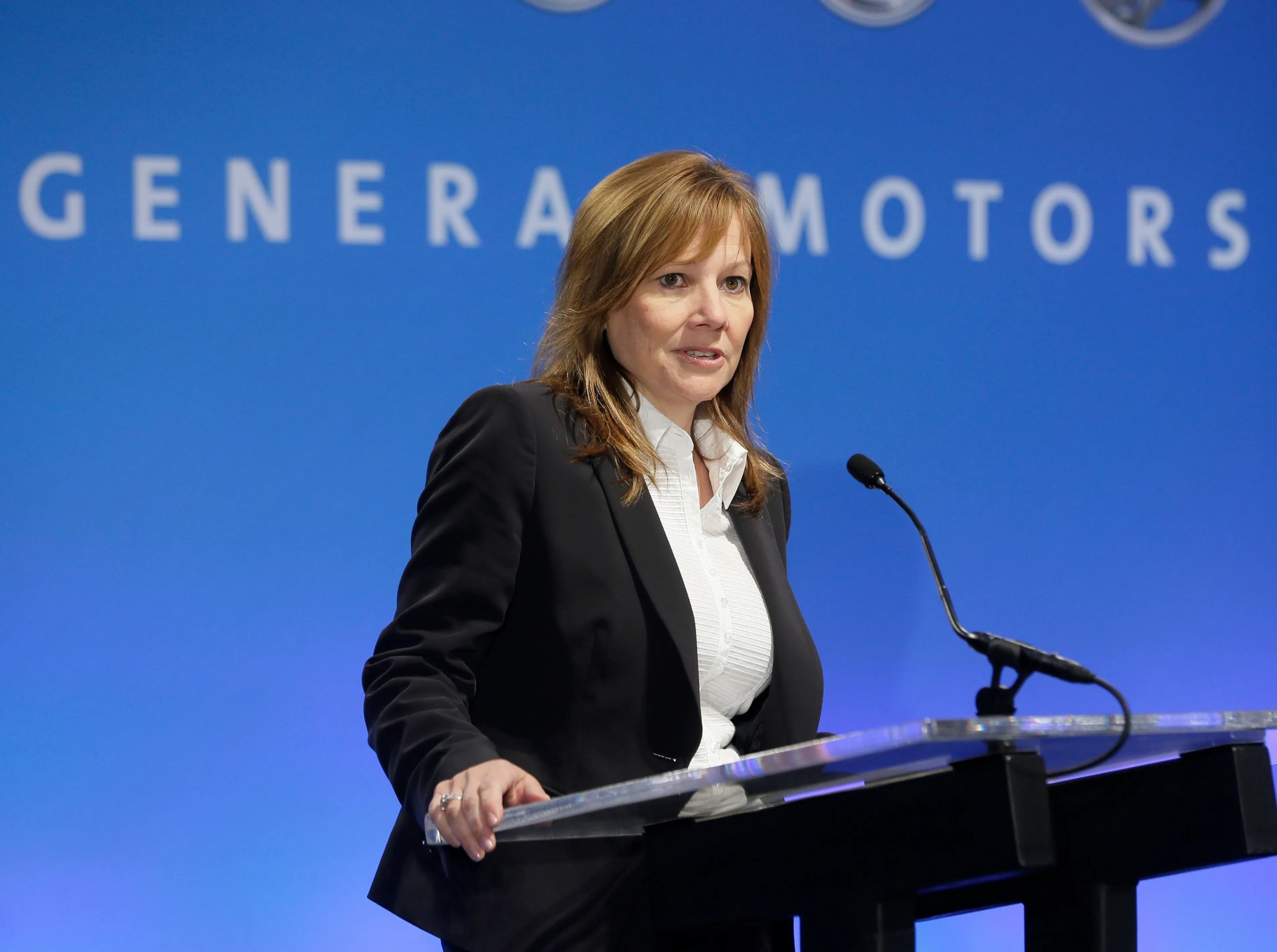
General Motors (GM) President and CEO Mary Barra confirmed that the production program for the new generation of Chevrolet Silverado light-duty pickups and their luxury counterpart, the GMC Sierra, got off to a successful start at the assembly plant in Guanajuato.
“Production has begun in Silao, and customers should see the first trucks at dealerships by the end of the year,” Barra said while presenting the company’s third-quarter results, which exceeded Wall Street expectations.
The executive also confirmed that production in Fort Wayne, Indiana, will begin in the first quarter of next year, and at the Orion plant in Michigan in the second quarter.
The largest U.S. automaker reported net income of $3.3 million, up 151% from the US$1.3 billion recorded a year ago, while profit in North America rose 43% to US$3.5 billion before interest and taxes.
Revenue slightly exceeded US$50 billion, up 2.9% from the previous year and above the US$48.52 billion forecast by Bloomberg.
However, rather than raising its full-year earnings guidance, the company adjusted its projections but announced a new share buyback program worth US$20 billion.
A Proven Formula
According to Barra, GM’s net income more than doubled thanks to increased revenue from software and subscription services, but particularly due to strong sales of its profitable light-duty pickups.
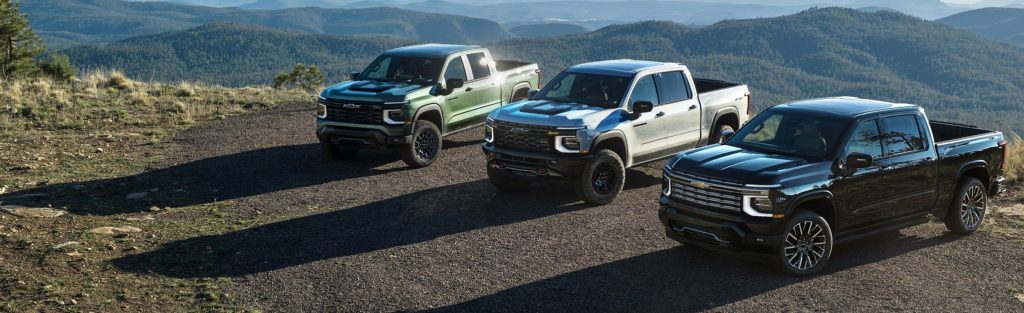
“The performance of the current Silverado and Sierra models has been consistently strong thanks to their design, capability, technology, and innovative features. We’ve achieved 19 consecutive quarters of sales leadership in the United States and have increased our market share by 10 percentage points since the current generation went on sale in 2018,” the executive explained.
She also noted that in its final year of production, the outgoing generation continues to post strong sales, market share, and financial results. “This directly demonstrates the value we offer our customers,” she added.
The executive stated that the new generation of trucks builds on this solid foundation. “Their interior and exterior designs set the standard for refinement and precision. Our trim-level strategy allows us to cater to customers with different budgets, while creating a clearer path toward higher-value configurations,” she said.
She illustrated this point with the High Country, Chevrolet’s premium sub-brand, which, she asserts, has become more exclusive, modern, and sporty, with materials, features, and technology that more closely resemble the experience of a luxury SUV.
“We’ve also made engine selection a crucial element of the value ladder and a key factor in configuration. We’ll offer the TurboMax four-cylinder engine with best-in-class standard torque, our exclusive Duramax inline six-cylinder turbodiesel engine, and the new 5.7- and 6.6-liter V8 engines,” he added.
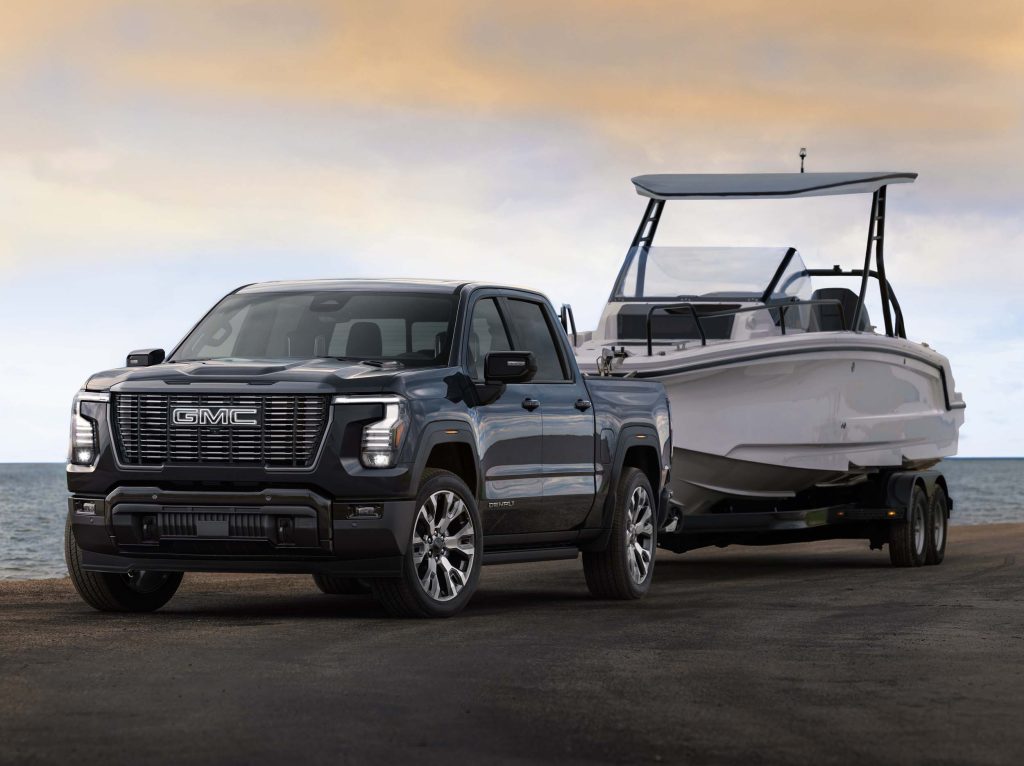
The launch of the new pickup trucks will also be crucial for increasing revenue through software subscriptions by significantly boosting adoption of the Super Cruise driver-assistance system, as this technology will become standard on the high-end versions of the Silverado and Sierra, though it will also be offered on most other versions.
“We expect Super Cruise penetration in full-size trucks to increase four- or fivefold next year, reflecting strong customer demand and our ability to scale the technology to key customer segments,” said Barra.
The automaker expects to produce approximately the same number of trucks in 2027 as in 2026, while by 2028 it will have additional capacity “to support segment growth and market share.”
In his remarks, Chief Financial Officer Paul Jacobson said that light-duty pickups continue to post exceptional sales performance in the final year of their product cycle, with a 9% year-over-year increase.
“This puts us on track to lead the industry in full-size pickup truck sales in 2026 for the seventh consecutive year, and with deliveries of our new light-duty trucks expected by the end of the fourth quarter, we plan to maintain this momentum in 2027,” he said.
Regarding the transition, Jacobson noted that the Silao plant had four weeks of downtime before beginning production of the new pickup truck. “To ensure a high-quality launch, production will begin at a controlled pace and gradually increase over the coming months and quarters until it reaches more normal levels,” he explained.
The executive explained that the same approach will be applied in Fort Wayne, where four weeks of downtime are planned starting in mid-December, with production scheduled to resume in January.
Headwinds
Regarding tariffs, the CFO revealed that they have cost GM approximately $1.8 billion so far this year, after the company benefited from the Supreme Court ruling that reversed some of these duties; as a result, it now expects full-year costs to end up at the lower end of a range of US$2.5 billion to US$3.5 billion.
He also cited other headwinds, such as the conflict in the Middle East, which has driven up raw material and logistics costs—particularly copper prices, which are at record highs, while HRC steel prices are at four-year highs.
“There are clear external obstacles, and in some cases, they are intensifying,” he stated.