Guerrero Invests in Water Infrastructure
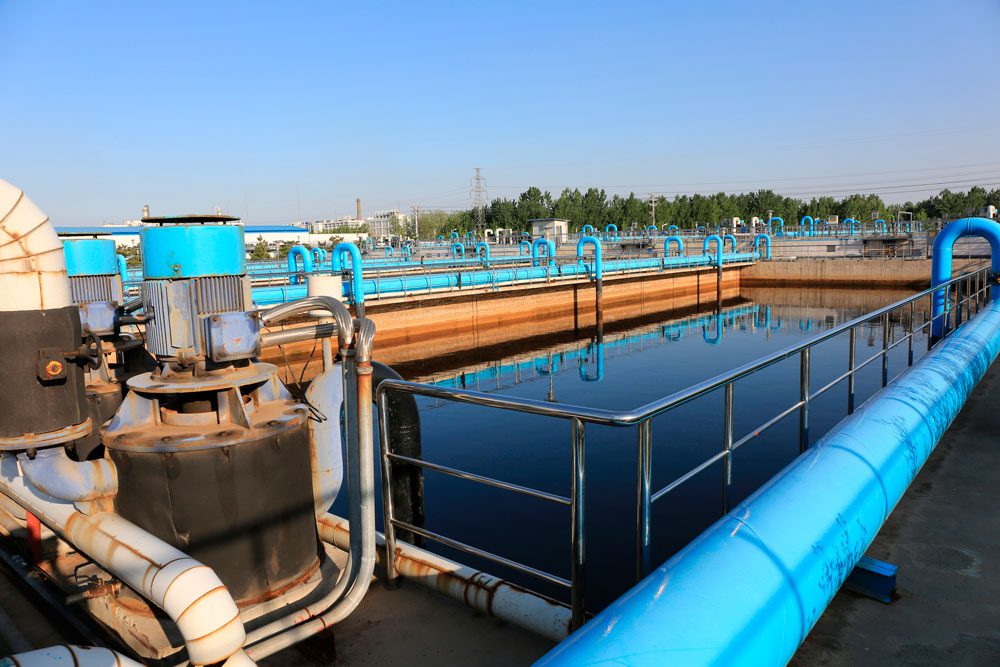
According to a state government press release, Governor Evelyn Salgado Pineda announced that more than US$5.42 million would be allocated this year to drinking water, drainage, and sanitation projects in the Sierra region, benefiting more than 18,000 residents across 24 communities.
The investment represents a major step toward addressing the region’s long-standing deficit in basic infrastructure. Following the Sierra’s legal recognition in 2022 as Guerrero’s eighth region, it has received increased resources and institutional attention to promote its development.
Salgado Pineda highlighted that, from 2022 through 2025, more than US$3.76 million had been invested through the Guerrero State Commission for Drinking Water, Sewerage, and Sanitation (CAPASEG) to develop detailed project designs and build water infrastructure in 10 communities, benefiting more than 5,000 residents.
The governor emphasized that the projects use high-quality materials and comply with technical standards to ensure their functionality and durability, allowing families and future generations to benefit from the infrastructure for years to come.
For his part, CAPASEG head Facundo Gastélum Félix reported that cumulative investment in drinking water infrastructure, sewerage systems, and sanitation in the Sierra region has reached US$9.1 million, benefiting more than 28,000 residents.
He explained that the projects will be completed in 2026, with 24 actions being implemented, including the installation of 83 kilometers of piping for drinking water transmission lines and distribution networks. This distance is equivalent to a round trip by road between Chilpancingo and Chichihualco.
In addition, 907 household connections will be installed to provide drinking water service to more families. Sewerage works include 2,200 meters of piping for collectors and sewer networks, as well as 93 household connections.
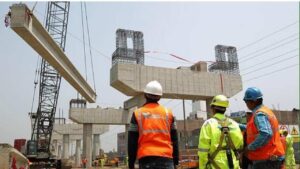
Gastélum Félix emphasized that the projects employ local workers from the communities, contributing to local economic activity and strengthening citizen participation through social oversight programs. These mechanisms allow residents to monitor the projects and ensure that the work is carried out according to established plans and specifications.