Funo Highlights Energy Challenges for Mexico
According to executives at Fibra Uno (Funo), attracting industrial investment to Mexico has evolved beyond a short-term nearshoring trend into a process of deeper trade integration with the United States.
However, Mexico's ability to capitalize on this opportunity will depend on its capacity to address structural challenges, with energy infrastructure currently representing the main current challenge.
During Funo Day 2026, held in New York to mark the company's 15th anniversary, Fibra Next CEO Raúl Gallegos stressed the perspective of the economic relationship between Mexico and the United States must be upgraded
More than a trade agreement or the relocation of production lines, the issue at stake is a long-term productive partnership.
“The discussion has evolved from a mere trade agreement to deep trade integration between Mexico and the United States. Regional supply chains and existing infrastructure make this bilateral relationship of production and consumption indispensable,” he said.
Although demand for industrial real estate and commercial space remains high, executives noted that Mexico's ability to develop technically complex projects, such as industrial parks for heavy manufacturing and data centers, is significantly limited by electricity availability.
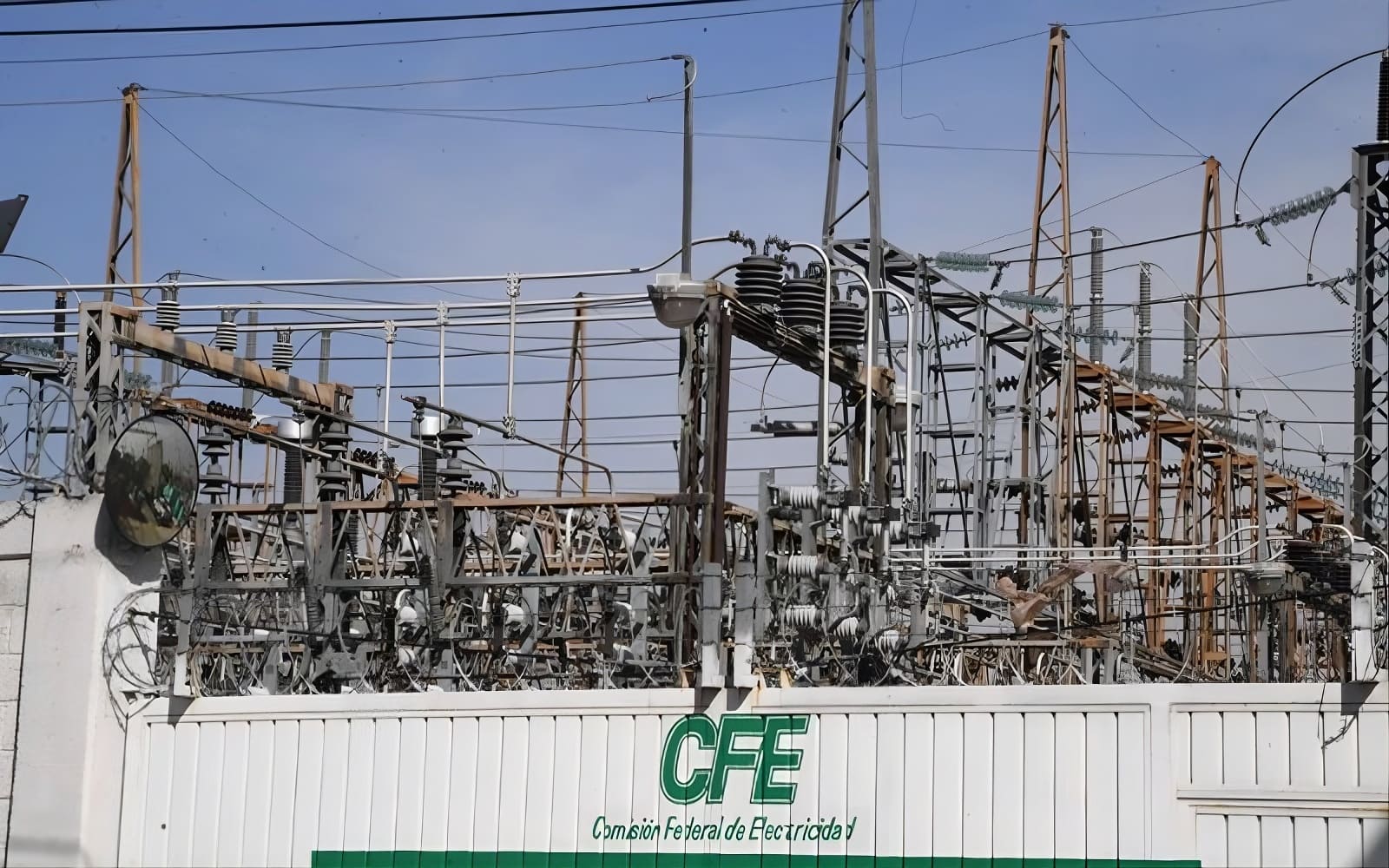
Gallegos emphasized the need for public policy and investment to prioritize the national electricity grid managed by the Federal Electricity Commission (CFE), particularly transmission and distribution infrastructure.
Despite infrastructure constraints, international interest in Mexican real estate assets remains strong.
Gonzalo Robina, CEO of Funo, noted the positive view held by New York's financial community toward the operational discipline of Mexican real estate investment trusts, which have diversified portfolios and contracts denominated in dollars and pesos and linked to inflation.
Maintaining investor confidence will depend on combining strict capital discipline—including keeping leverage levels close to 35%—with proactive engagement with authorities to address shortages in electricity infrastructure and services in regions with the highest concentration of industrial activity.