Baja California and California, U.S. regions involved in binational exchange
In the first half of the year, the tourism sector in Baja California has overcome the setback caused by the Donald Trump administration’s immigration and tariff policies. “Undeniably, we are in a much better position than last year; we are on the rise,” said State Tourism Secretary Miguel Ángel Badiola Montaño in an interview.
The state initially suffered as a result of the measures announced by Washington; however, the recovery is due to the fact that tourists “have gradually regained confidence in crossing the border, having seen that the reality is far different from the rumors that circulated on social media and in informal conversations.”
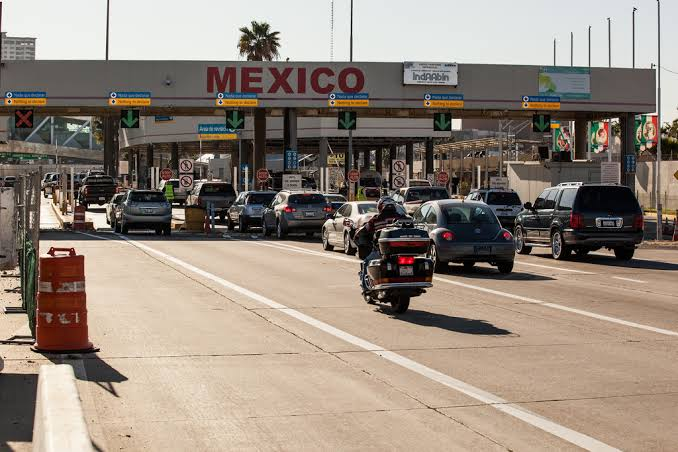
Tourism from California, United States, has been the organization's main market, along with Nevada and Arizona. There are reports of traffic backed up for up to six hours at the border crossing from Tijuana to San Diego.
The Tijuana International Airport provides direct access to the United States via the binational bridge. This makes it the second-best-connected destination in the country; Tijuana’s airport serves 37 routes and recorded 18,020 flights from January through June.
Meanwhile, the Port of Ensenada saw an increase in cruise ship arrivals, rising from 200 to 230 vessels, and is projected to reach one million passengers in transit during the coming month. Vehicle traffic on the Tijuana-Ensenada and Tijuana-Mexicali scenic highways reached 21.5 million cars in the first half of the year.
Baja California has focused its efforts on domestic tourism, participating in specialized events to attract business tourism, which is of great importance to the region.