Infrastructure and the USMCA: Key Pillars of Nearshoring for Mexico.
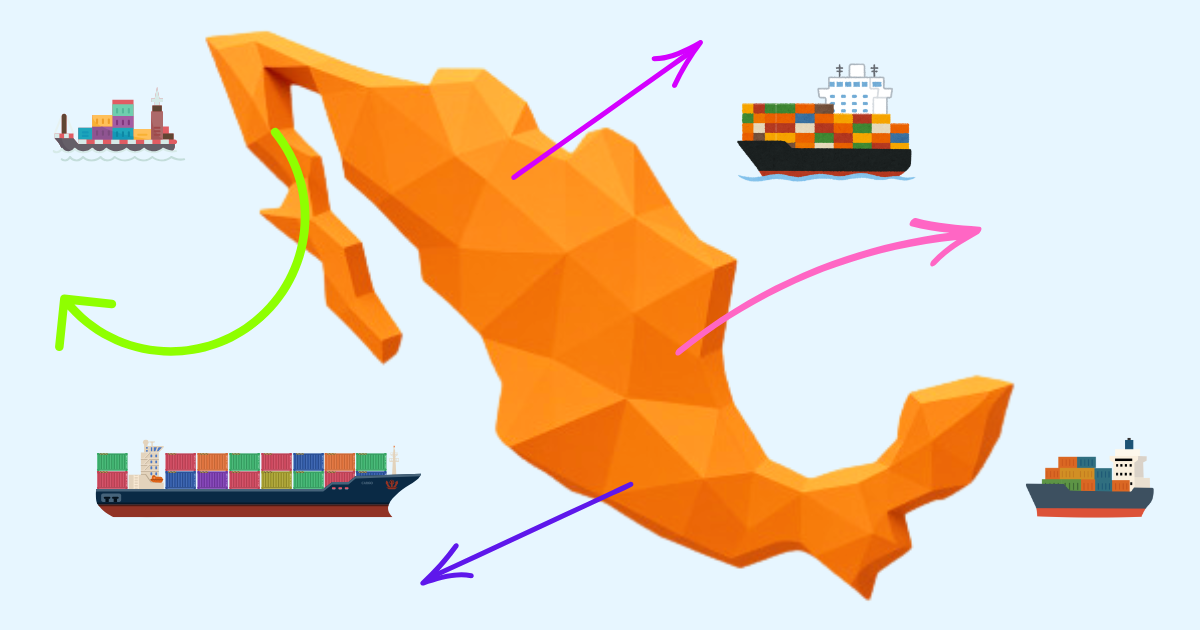
As part of the six-year review of the United States-Mexico-Canada Agreement (USMCA), Mexico’s manufacturing and logistics sectors are facing a decisive phase aimed at consolidating investments resulting from nearshoring. Trade conditions require strict compliance with rules of origin and greater integration of value chains in North America, within a context that demands efficiency and rigor in the industrial corridors of northern Mexico.
Faced with this highly demanding landscape, Coahuila-based businessman Salomón Issa Tafich has assessed the region’s operating conditions, emphasizing that the state maintains a strategic position in terms of industrial competitiveness.
However, Tafich cautioned that in order to transform this geographic advantage into an effective draw for Foreign Direct Investment (FDI), it is necessary to address the accumulated shortfall in logistics infrastructure that has limited the pace of growth.
Salomón Issa Tafich points out that “The stricter criteria for traceability and regional content represent a key opportunity for Coahuila’s suppliers; however, capturing this market requires increasing operational capacity and ensuring continuity in the supply chains.”
Industry estimates predict sustained growth in the national logistics market; however, in order for the industrial corridors in the Comarca Lagunera region and the southeastern part of the state to handle these cargo flows without reaching capacity, the business leader has emphasized the urgent need to modernize customs facilities, railways, and last-mile transportation systems.
Finally, the expert concludes that infrastructure in northern Mexico must adapt quickly and effectively to North American standards in order to consolidate the region’s leadership in logistics.