Jalisco Seeks Brazilian Poultry Industry Partnerships
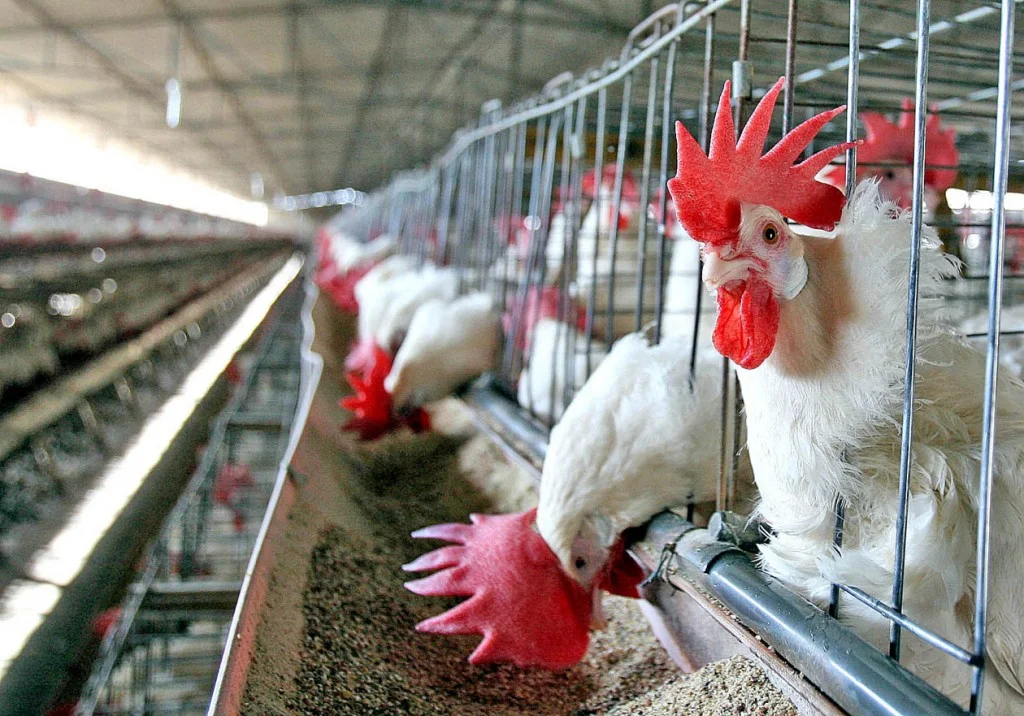
Authorities in Jalisco have rallied behind poultry producers and called on the federal government to establish an import quota on Brazilian chicken, given the growth the country’s market has experienced. Authorities also claim that the profitability of an industry that is strategic to the rural economy of the state and of all of Mexico is under pressure.
The head of the Jalisco Secretariat of Agriculture and Rural Development (SADER), Eduardo Ron Ramos, has stated that the sector is currently struggling due to the increase in Brazilian imports.
Ron Ramos pointed out that Mexico's imports have increased, noting that in 2019 the country imported approximately 73,000 metric tons of chicken, a figure that rose to 235,000 metric tons in 2025—a trend he described as “alarming,” especially given that Mexico does not have a free trade agreement with Brazil.
“The message is very simple: it is our full support for the poultry producers in Jalisco and nationwide during this very delicate and serious time they are going through due to excessive imports from Brazil,” said Ron Ramos, who also warned about the impact that poultry production has on employment in rural communities.
However, Lorenzo Martin Martin, president of the National Union of Poultry Farmers (UNA) and a poultry entrepreneur from Tepatitlan in Morelos, Jalisco, has stated that the sector does not expect to halt imports, but rather to establish a level playing field.
“We're not asking to stop imports; we're asking for a level playing field,” said the producer, adding that the sector is proposing a quota of 80,000 metric tons, mainly of whole chickens, so that they can be cut up in Mexico, thereby creating more jobs and economic activity.
“We proposed 80,000 metric tons, but we're open to discussing how we can reach a compromise that best suits all producers and the entire country,” he emphasized.
According to the sector’s national leader, if domestic production had replaced imports starting in 2022, it would have created more than 42,000 jobs in the country by now; losses in the sector are estimated at US$1.5 billion over the past 12 months due to falling prices. Martin Martin questions whether the increase in imports benefits consumers.
However, Jalisco’s coordinator for Economic Growth and Development, AMuro Garza, has questioned the Mexican government’s decision to open its market to Brazil, a country where Mexican products are not sold. “We are putting at risk an industry that is highly competitive, generates thousands of jobs, and invests and reinvests in our country,” he said.