U.S. Drives Investment Growth in Mexico
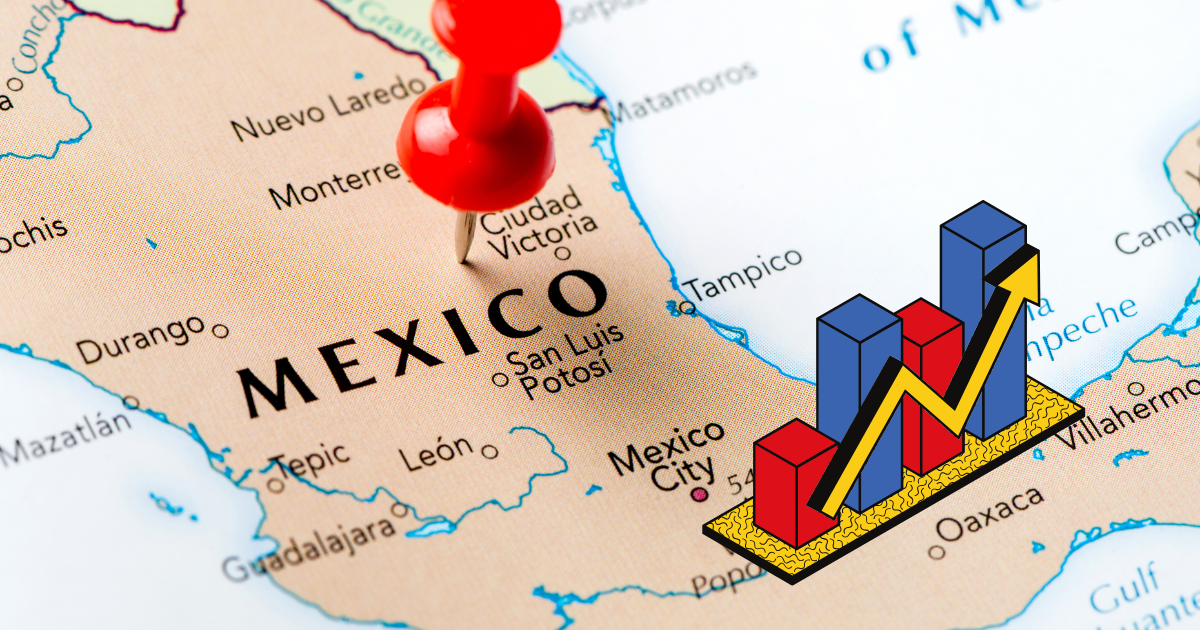
Even though the political landscape, U.S. tariffs, and the revision of the United States-Mexico-Canada Agreement (USMCA) are still unfolding, U.S. investment in Mexico has grown during the first half of the year.
According to data from the Ministry of Economy, Foreign Direct Investment (FDI) from the United States rose to US$16.8 billion in the first half of the year, marking a 14.7% year-over-year increase.
Furthermore, this amount accounted for 48.2% of total FDI recorded in Mexico during the period under review, 5.3 percentage points more than in the same period of 2025.
In the first half of this year, the world’s largest economy, the United States, became the top source of FDI in 17 states.
However, in the report, executives were asked about the Bank of Mexico’s regional economic forecasts. The fact is that the second quarter of the year continues to be marked by uncertainty associated with U.S. trade policy.
“Although expected, the United States’ decision to trigger the annual review mechanism under the USMCA prolonged uncertainty regarding the future of the trade relationship among the three partner countries. This could influence investment decisions, particularly in the northern and central regions, whose greater integration with North American supply chains makes them more sensitive to developments in that relationship,” the report states.
However, they emphasize that negotiations between the countries are ongoing and that Mexican exports that meet the USMCA requirements continue to receive their usual preferential treatment.
“Furthermore, changes in U.S. trade policy toward its major partners and the restructuring of global supply chains could create opportunities for Mexican exports, as well as help attract investment and encourage the relocation of production processes to different regions of the country, thereby strengthening Mexico’s integration into North American value chains,” the report states.
The highest amounts were recorded in Mexico City ($9,191.3 million), Nuevo León ($2,181.5 million), Baja California ($967.4 million), Jalisco ($718.5 million), the State of Mexico ($526.9 million), and Baja California Sur ($490.3 million).