Querétaro has attracted US$1.3 billion in investments

So far this year, Querétaro has secured 41 investment projects, representing US$1.3 billion and 10,000 jobs, according to records from the Secretariat of Sustainable Development.
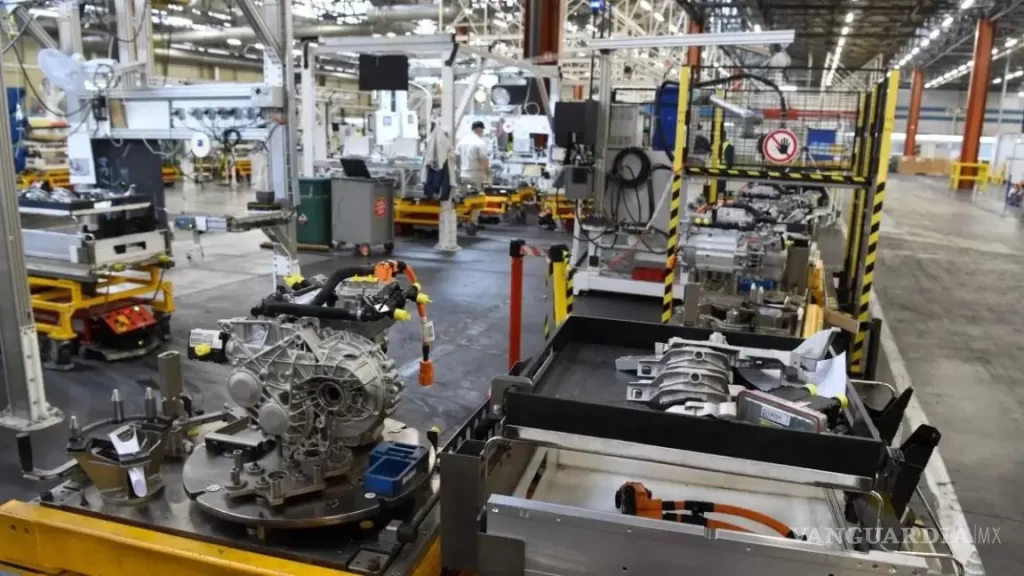
Most of these projects are concentrated in key industries central to the state’s manufacturing sector, such as the automotive, aerospace, and information technology sectors, reported Sedesu Secretary Marco Antonio Del Prete Terceo.
Similarly, the role of domestic investment—which, together with foreign capital, supports projects in the state—is noteworthy.
It has been estimated that the pace of investment has exceeded the number of projects compared to the previous year; similarly, indicators regarding the amount of investment and jobs remain comparable.
The number of projects represents a 77% increase compared to the 53 projects completed throughout 2025.
In addition, the state secretary has a portfolio of 48 investment projects that are interested in establishing a presence in the state; however, these have not yet been confirmed and would represent approximately US$1.6 billion if they materialize.
Meanwhile, job creation has been on the rise since the first nine months of the year, so it is feasible to end the year with a target of 18,000 jobs, the state secretary said.
Based on the cumulative job figures from January through September, the state has met its goal; however, it is acknowledged that the final figures for the last quarter are still pending, primarily due to job losses in December caused by seasonal factors.
Through the Undersecretariat of Economic Development, companies are monitored to identify early warning signs of job losses; the goal is to address this issue at its source to prevent negative impacts on the labor market. In the case, that a company reduces its workforce, the Undersecretariat will coordinate with the Ministry of Labor to develop a job placement strategy.
Due to the monthly decline in employment recorded from April through July 2026, the state secretary conducted a survey to assess performance during the first half of the year.
Upon reviewing the plans of companies with confirmed investments—ranging from 60 to 65%—it was reported that they were proceeding according to their hiring plans; in other cases, no hiring has taken place due to company decisions or delays in the setup process.
Of the established companies, 40% expected to increase their workforces, 40% did not anticipate any changes, while 20% indicated that their workforces would likely decrease.
Similarly, the agency continues its strategy of collaborating with municipalities to analyze the status of administrative procedures—such as construction permits, operating licenses, or land-use approvals—that could be holding up projects and, consequently, limiting job creation. The agency noted that, with the help of municipalities, administrative procedures have been streamlined to allow projects to move forward, as has been the case with state agencies. Another strategy is to seek to strengthen human capital training through the Ministry of Labor.