The “Economic Package” Lacks Economic Criteria for the Aviation Sector
The “General Economic Policy Criteria for the Revenue Bill and the Draft Federal Expenditure Budget for Fiscal Year 2027” have just been released. These documents outline the economic and fiscal strategy that will guide the Mexican government’s actions during the third year of the current federal administration; however, The “Economic Package” Lacks Economic Criteria for the Aviation Sector
The document from the Ministry of Finance states that the “Infrastructure for Development and Well-Being 2026–2030” investment plan will allocate public resources and establish participation mechanisms to promote strategic projects in various sectors.
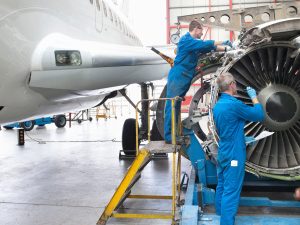
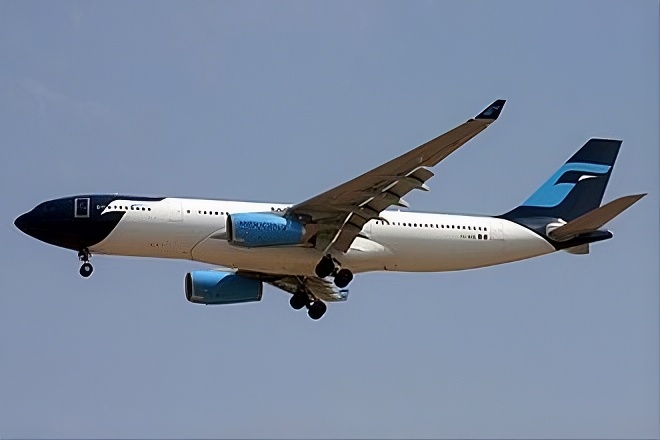
However, the General Guidelines and Economic Policy for 2027 do not specify any investments, operational changes, or budgetary measures specifically for Mexico City International Airport (AICM). Furthermore, there has been no information regarding any specific projections for Mexicana de Aviación’s budget, capitalization, fleet, routes, or financial results.
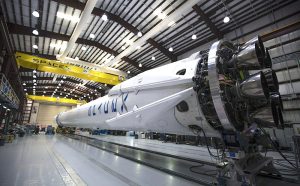
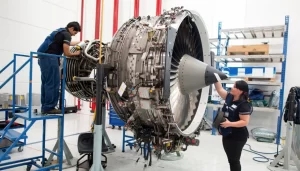
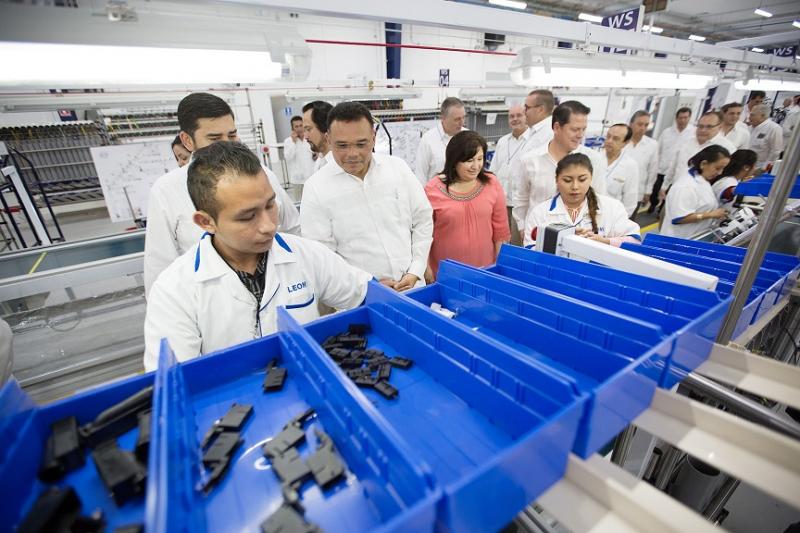
Nevertheless, regarding the outlook for the U.S. economy and its relationship with Mexican supply chains, the Ministry of Finance notes that the manufacturing of durable goods with the highest level of integration between Mexico and the United States—which includes computer equipment, aerospace products, and vehicles or auto parts—is expected to continue growing as global supply chains stabilize and companies adapt to new conditions.
The government expects these industries to maintain their growth pace as global supply chains become standardized and companies adapt to the new tariff measures.