U.S. Auto Tariffs Reshape Mexico’s Logistics Sector
U.S. tariffs on vehicles manufactured in Mexico are beginning to affect automotive supply chains, reducing demand for imported Asian auto parts and increasing cost pressures on logistics providers operating through the Port of Manzanillo in Colima.
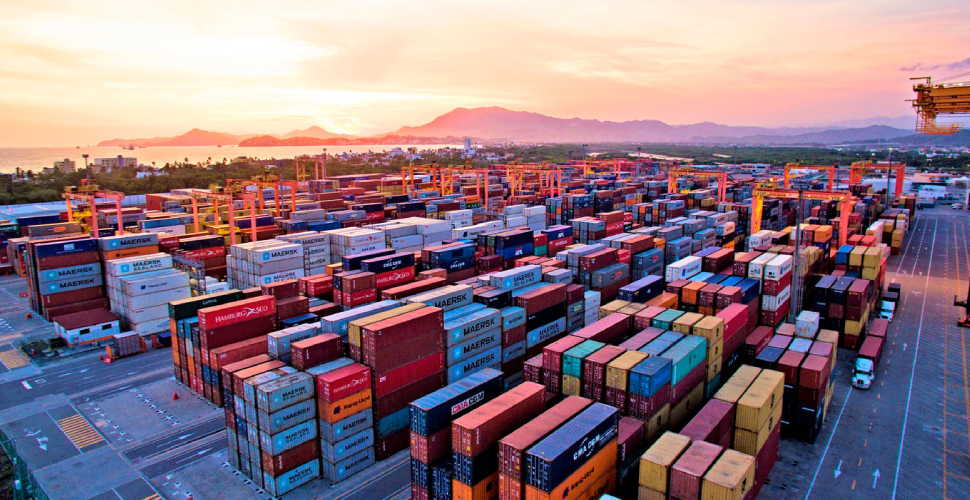
The port, a major entry point for automotive components from Asia, is experiencing changes in cargo flows as automakers adjust production levels and seek to incorporate more U.S.-manufactured parts into their supply chains. José Antonio Contreras, CEO of Contecon Manzanillo, estimates that auto parts imports have declined approximately 1%, reflecting the slowdown in vehicle production.
The impact extends beyond port operations. Sea Cargo Logistics (SCL), which transports components from Manzanillo to manufacturing facilities, has reported a 5% to 10% decline in auto parts shipments reaching Mexican factories. According to Raquel Haj, SCL’s director of ocean product, manufacturers facing higher tariff-related costs are pressing logistics providers to offer more competitive rates.
As a result, some companies are prioritizing transportation costs over service quality, intensifying competition among logistics operators and putting additional pressure on profit margins.
Port Activity Remains Strong
Despite the slowdown in automotive-related cargo, Manzanillo continues to report growth in overall container traffic. The port handled 2.8 million containers between January and August 2026, an 11% increase compared with the same period last year. Strong activity across other industries and import markets, particularly those connected to Asian trade, has helped offset weaker demand for automotive components.
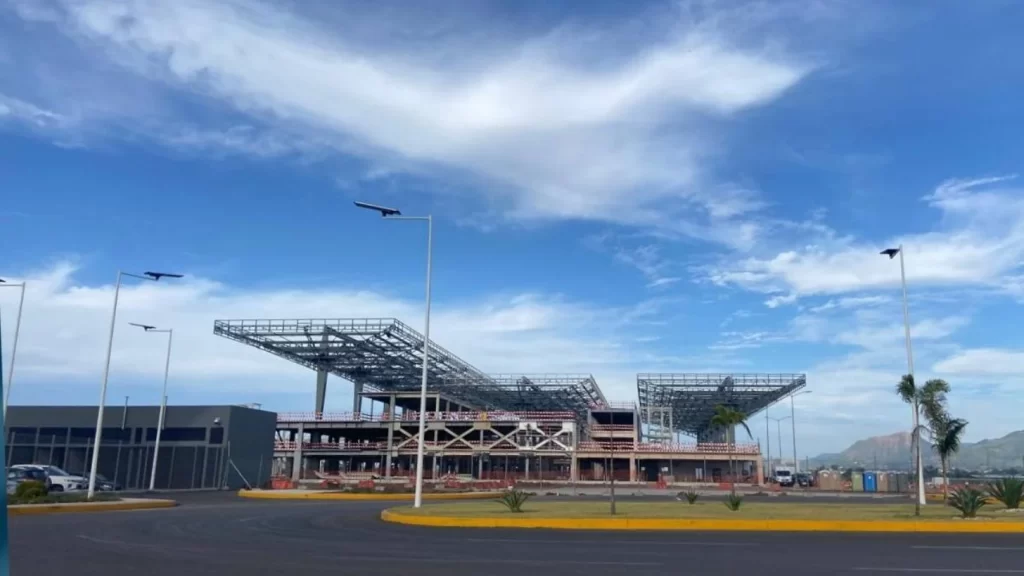
Contecon is also expanding its infrastructure to accommodate growing cargo volumes. The terminal is advancing a US$230 million investment plan announced in 2022, which aims to increase annual handling capacity to 2 million twenty-foot equivalent units (TEUs). The company has also received two new ship-to-shore cranes designed to serve ultra-large container vessels measuring up to 400 meters in length.
USMCA Review Could Shape 2027 Outlook
Automotive manufacturers and logistics operators are awaiting greater clarity on the United States-Mexico-Canada Agreement (USMCA) review and its potential implications for regional manufacturing and sourcing strategies.
According to Contreras, the outcome of the negotiations will help companies determine how to adjust production lines and commercial operations in 2027. Until the future trade framework becomes clearer, uncertainty surrounding tariffs, sourcing requirements, and transportation costs is likely to remain a key consideration for Mexico’s automotive supply chain.
The developments highlight how U.S. trade policy can influence not only vehicle manufacturing but also port operations, international freight flows, and the competitiveness of logistics providers across Mexico.