Higher Logistics Costs and Customs Controls Under the USMCA
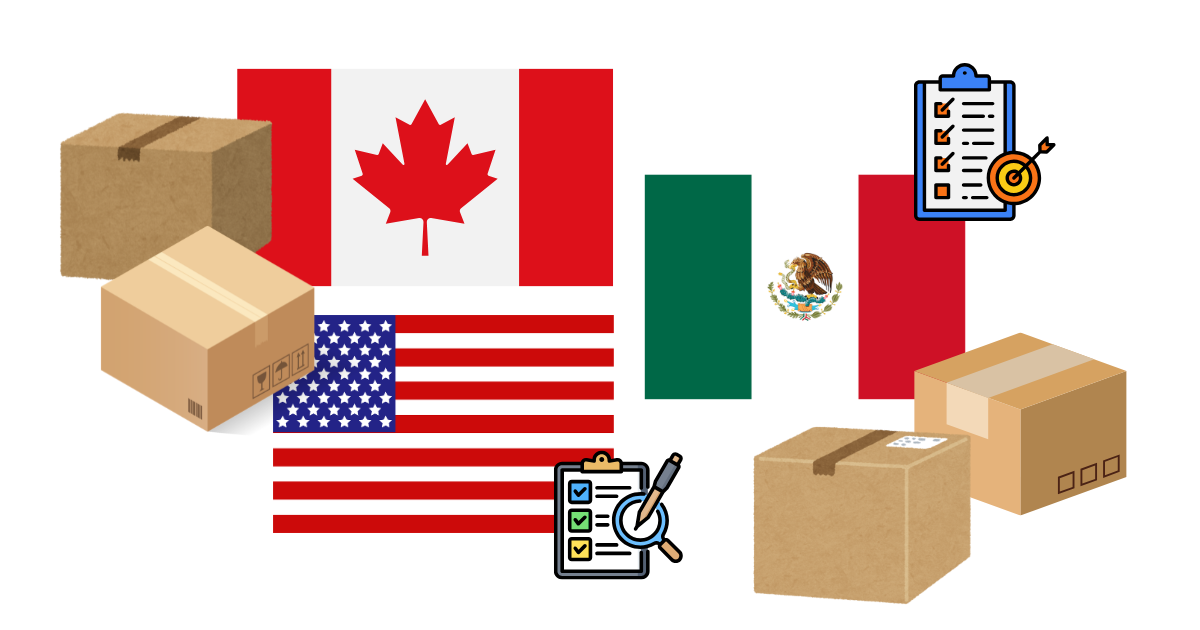
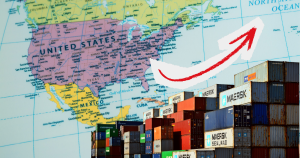
Customs inspections under the TMEC have increased, placing significant pressure on Mexico’s manufacturing industry, particularly in sectors such as automotive, metalworking, chemicals, and agro-industry, according to a report by LEXAT based on an analysis. These controls have been tightened in the wake of the ongoing conflict between the United States and Iran, including the naval blockade of the Strait of Hormuz.
The report highlights that the crisis in the Middle East continues with no diplomatic progress, and that the U.S. naval presence in the Gulf of Oman has remained on high alert. The blockade of the Strait continues to restrict much of the regular maritime traffic, forcing major vessels to divert around the Cape of Good Hope, which increases international transportation costs.
Mexico has felt the impact of the international environment. According to the analysis, the consensus forecast is for GDP growth of 1.1%, while rising prices for fossil fuels and industrial diesel are driving up freight transportation costs, particularly along the logistics corridors connected to the manufacturing hubs in the Bajío region and the northern part of the country.
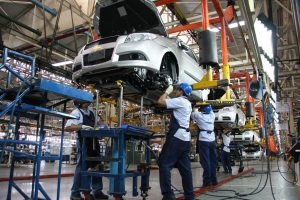
For the automotive and metalworking industries, the analysis has shown that automakers and auto parts suppliers will continue to face increased demands to demonstrate the traceability of steel and aluminum through primary smelting certificates, which slows down border crossings at Laredo and Tijuana.
On the other hand, pressure on the prices of petroleum-based inputs and production costs continues to rise. The CBP has stepped up audits related to the IMMEX program and warns that the incorporation of non-originating components without proper compliance with the rules of origin may result in the loss of preferential treatment under the USMCA and jeopardize companies’ continued participation in the IMMEX and PROSE programs.
The LEXAT analysis recommends that companies review the traceability of their inputs and verify the status of their importers in the United States, while updating their logistics budgets and adapting their investment strategies to an environment of ongoing reviews under the USMCA.