Mexico Reports 129,000 Sales of Hybrid and Electric Vehicles

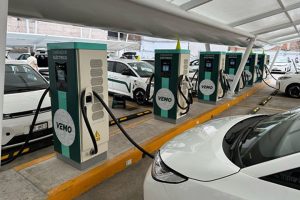
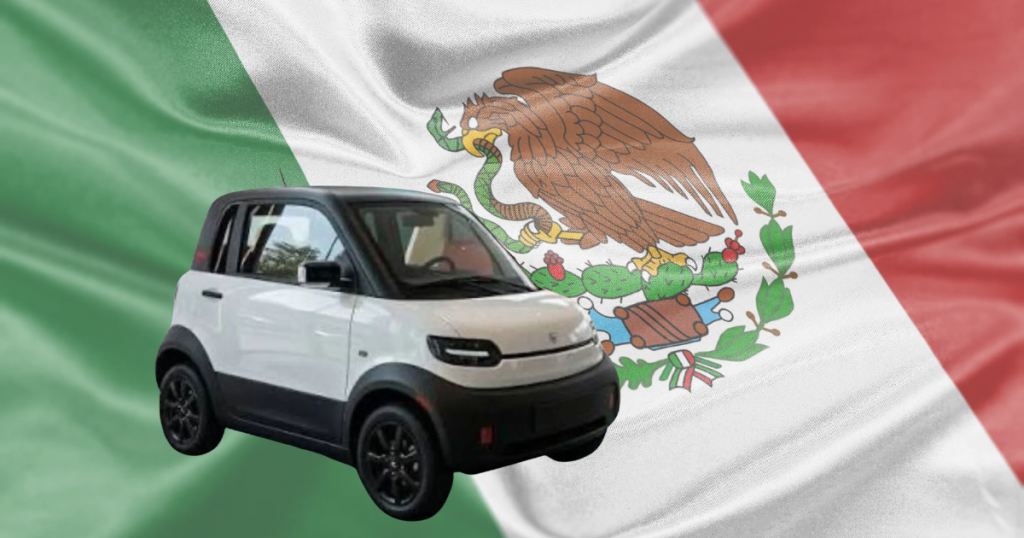
In Mexico, 129,359 hybrid and electric vehicles were sold in the first half of the year, representing a 46.1% increase over the previous year and accounting for 12.8% of the light-duty vehicle market, according to figures from INEGI. The infrastructure needed to power them is expanding, but it faces a constraint different from the one typically discussed.
The issue is no longer how much energy is available, but rather how much power the grid can deliver at the exact moment and time when multiple fast chargers are connected simultaneously.
If that demand coincides with peak load hours on the grid, the connection may be costly, unfeasible, or require more time to be activated. The challenge lies in the local capacity of substations and medium-voltage networks.
“The public conversation has focused on how many chargers are installed, but the underlying question is how much power the grid can deliver at the exact point and moment a fast charger is connected,” explains Ayalli Gurría Gallardo, commercial director of Quartux.
The Ministry of Energy’s 2025–2039 Electricity Sector Development Plan (PLADESE) highlighted the importance of timing, given that in 2024, the peak integrated demand of the National Interconnected System was 52,302 MWh/h, recorded at 5:00 p.m. in May.
Only 156 hours of the year—less than 2% of the total—were between 95% and 100% of that peak. This infrastructure is sized for those hours, even though it operates with greater flexibility during the rest of the year.
According to the EMA (Electro Movilidad Asociación) Electromobility Barometer, as of the end of the first half of 2026, were approximately 60,000 charging connections in the country.
Of these, approximately 4,650 are public, including 1,592 direct-current chargers distributed across 458 locations, which equates to an average of 3.5 fast chargers per site. Additionally, 5,233 connections are located in fleet yards, a use case that concentrates charging within a predictable time frame.
PLADESE recognizes that it is essential to plan for charging infrastructure—including fast- and ultra-fast-charging stations for fleets—in conjunction with improvements to medium- and low-voltage grids to maintain reliability. This plan calls for 5,551 MW of battery storage systems between 2025 and 2030. The challenge that must be addressed is ensuring that this capacity reaches the locations where vehicle charging is concentrated.