Pemex could replicate Brazil’s oil strategy
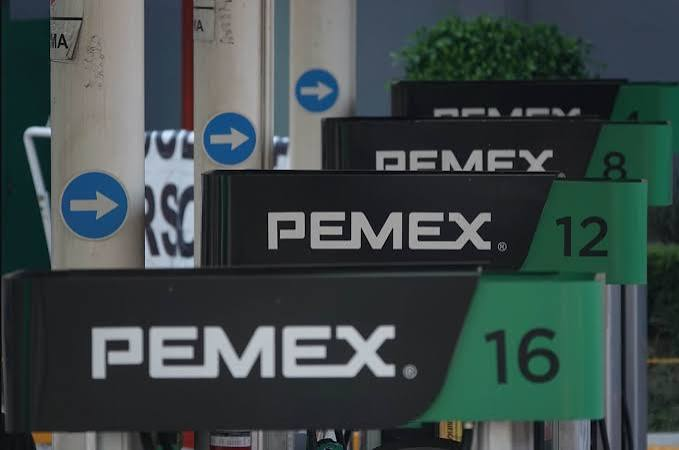
The CEO of CATEC has called on Pemex to replicate Brazil's oil strategy, which has proven to increase the efficiency of its industrial complexes by importing light crude to improve its refineries.
Petroleos Mexicanos (Pemex) may be considering changing its technical strategy in order to improve the performance of the National Refining System through the importation of light crude oil.
Julio César Rentería Sandoval, CEO of Consultores Asociaciones en Tecnologías Catalíticas (CATEC), has emphasized that oil-producing countries, such as Brazil, have turned to importing light crude oil and increasing the production of higher-value fuels, which has helped improve the efficiency of their industrial complexes.
Although Brazil typically produces only 4.2 million barrels per day and exports about 2 million barrels of oil, it has imported large quantities of light crude oil to help optimize the feedstock for its refineries, enabling them to operate at capacity rates exceeding 90% and achieving petroleum product yields of approximately 76%.
The CEO pointed out that the problem no longer lies in the decline in oil production, but rather in the deterioration of the quality of the available crude oil, which has become one of the main problems facing Mexican refineries.
He explained that domestic production has shifted toward extra-heavy crude from fields such as Maloob, Zaap, and Ayatsil, with an API gravity of around 10 degrees and sulfur content of up to 5 percent—characteristics that make processing difficult and reducing the efficiency of refineries.
Pemex's current production is insufficient to fully utilize the refining infrastructure; therefore, importing light crude could help reduce the operational problems associated with extra-heavy crudes, thereby increasing the yield of gasoline, diesel, and jet fuel.
“Before fate catches up with us—which I believe it already has—we must develop that import strategy,” Renteria said.