USMCA Drives Mexico’s Labor Reforms
Mexico needs to strengthen collective bargaining and ensure that recent labor reforms translate into tangible improvements in workplaces, according to Ingrid Ceballos, director of the CUMPLE project at Partners of the Americas.
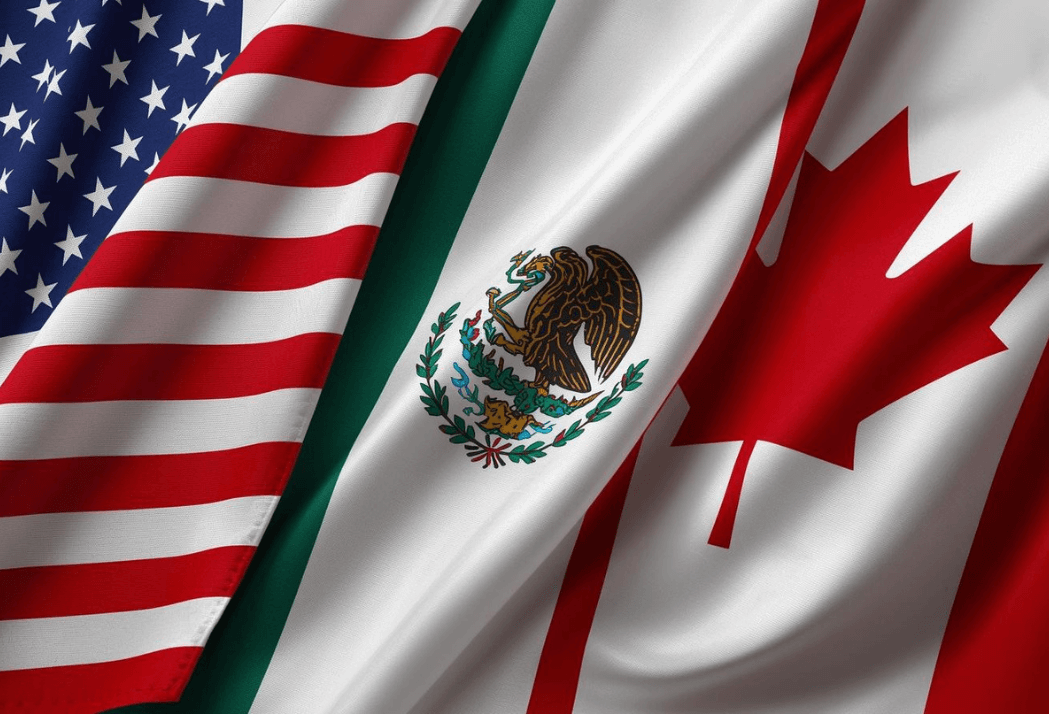
The comments come as Mexico continues implementing its 2019 labor reform and the labor provisions of the United States-Mexico-Canada Agreement (USMCA), which established stronger protections for workers and greater requirements for union democracy.
Speaking at an international seminar focused on labor rights and the USMCA review, Ceballos said the CUMPLE program will work for four years with labor authorities, employers, unions, and workers to strengthen compliance with Mexico’s labor legislation and the country’s commitments under the trade agreement.
The initiative, funded by the U.S. Department of Labor, places particular emphasis on union democracy and collective bargaining. The 2019 reforms introduced personal, free, direct, and secret voting for the election of union representatives and the approval of collective agreements.
The automotive sector was highlighted as particularly important because of its role in North American manufacturing integration. Ceballos said the labor sector’s perspective should therefore be included in the ongoing review of the USMCA, alongside broader discussions about trade and regional competitiveness.
The program will also address the Rapid Response Labor Mechanism, union transparency, and leadership development. These areas are increasingly relevant as Mexico, the United States, and Canada evaluate the implementation of the agreement and its impact on workers and businesses.
Strengthening labor institutions and ensuring that workers can effectively exercise their rights could help Mexico consolidate its position within North American supply chains while providing greater certainty for employers and employees.