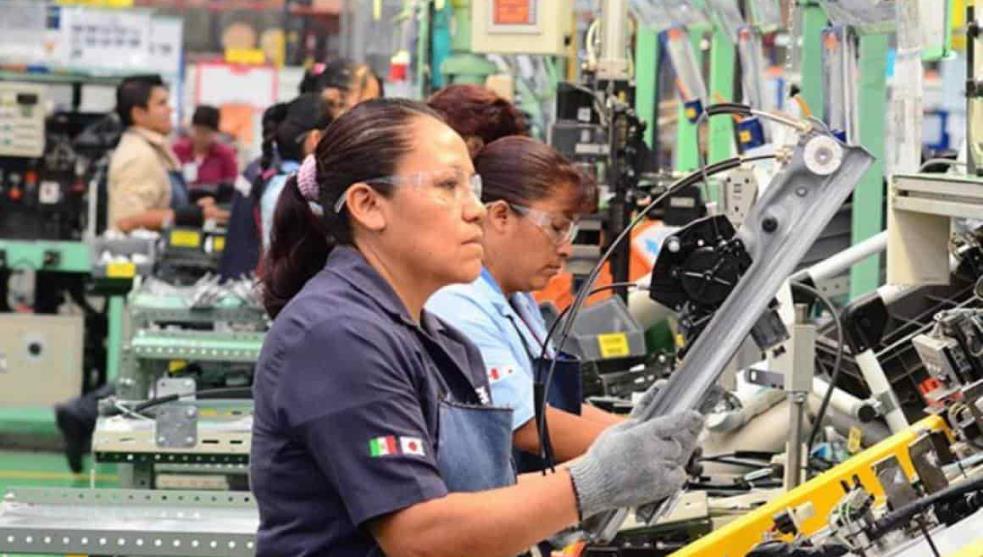
Industrial parks need more energy to survive
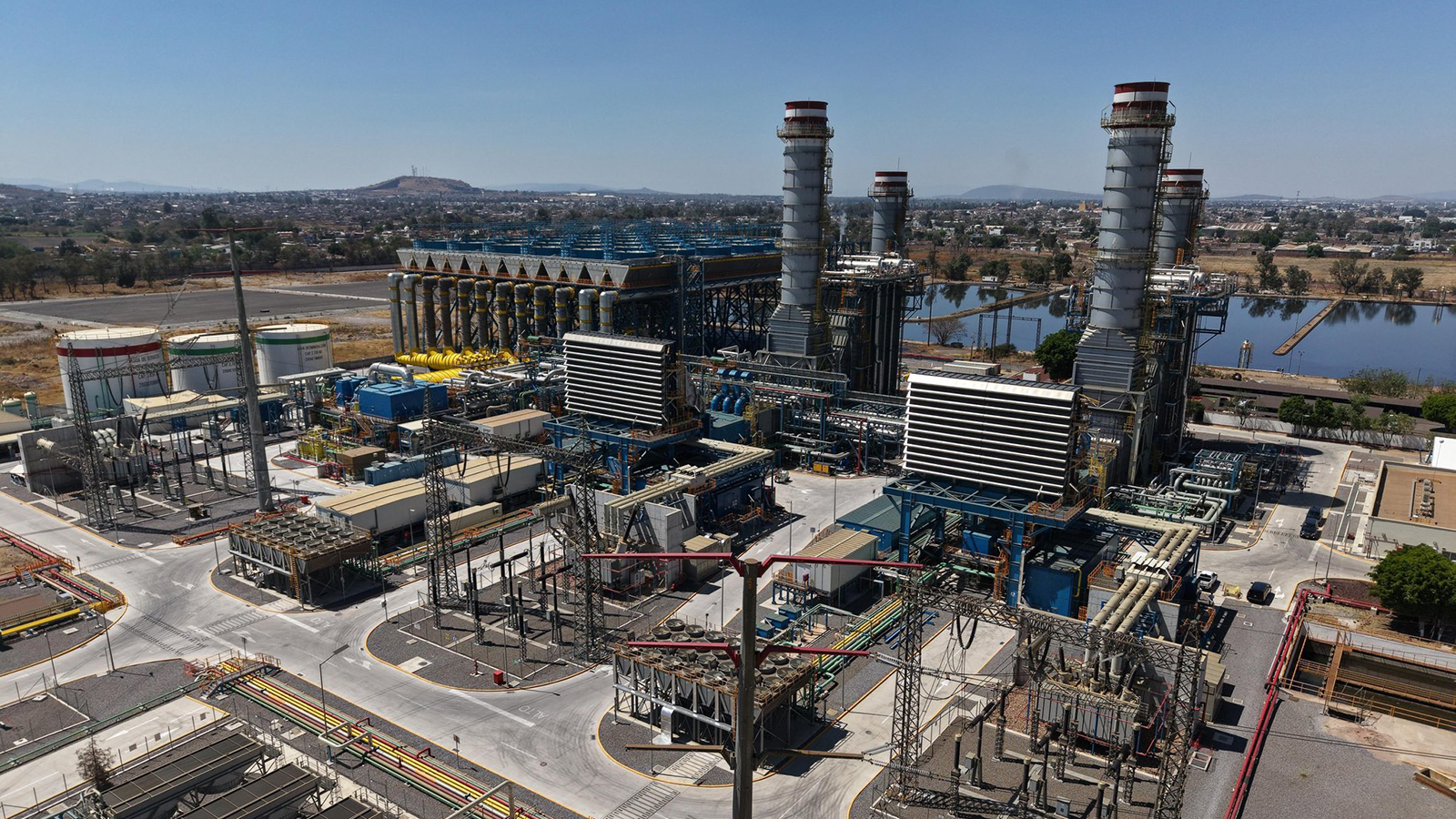
Electricity generation for self-consumption in Mexico already has a specific regulatory framework; however, industrial parks now face a second regulatory challenge: defining how that energy can be distributed among various users within the same development and who retains control of the internal electrical infrastructure.
The National Energy Commission (CNE) is working on regulations related to the sale of energy to third parties, electricity supply, network access, and the definition of a Private Network, according to information released by the Mexican Association of Private Industrial Parks (AMPIP) following a working session with energy authorities.
The AMPIP reports that 477 industrial parks currently in operation require 17,708 MW of installed capacity, while the 103 developments under construction will require MW by 2029.
The Electric Power Sector Law states that self-consumption—defined as generation from power plants with a capacity of 0.7 MW or more intended to meet the facility’s own needs—may be used for grid-connected projects ranging from 0.7 to 20 MW.
However, in May 2026, the Ministry of Energy launched the One-Stop Shop for Self-Consumption, which centralizes administrative procedures for projects ranging from 0.7 to 20 MW and integrates processes related to social impact and grid interconnection.
The expansion of industrial parks is increasing pressure on electricity generation, transmission, and distribution. The 21,164 MW—the sum of the estimated demand from operating industrial parks and those under construction—reflects the scale of infrastructure that the industrial market will need in the coming years.
Self-consumption can partially reduce dependence on the public grid, but it does not replace the need for electricity infrastructure nor does it eliminate interconnection and regulatory obligations.