Mexico Calls to Reduce Automotive Tariffs to USA
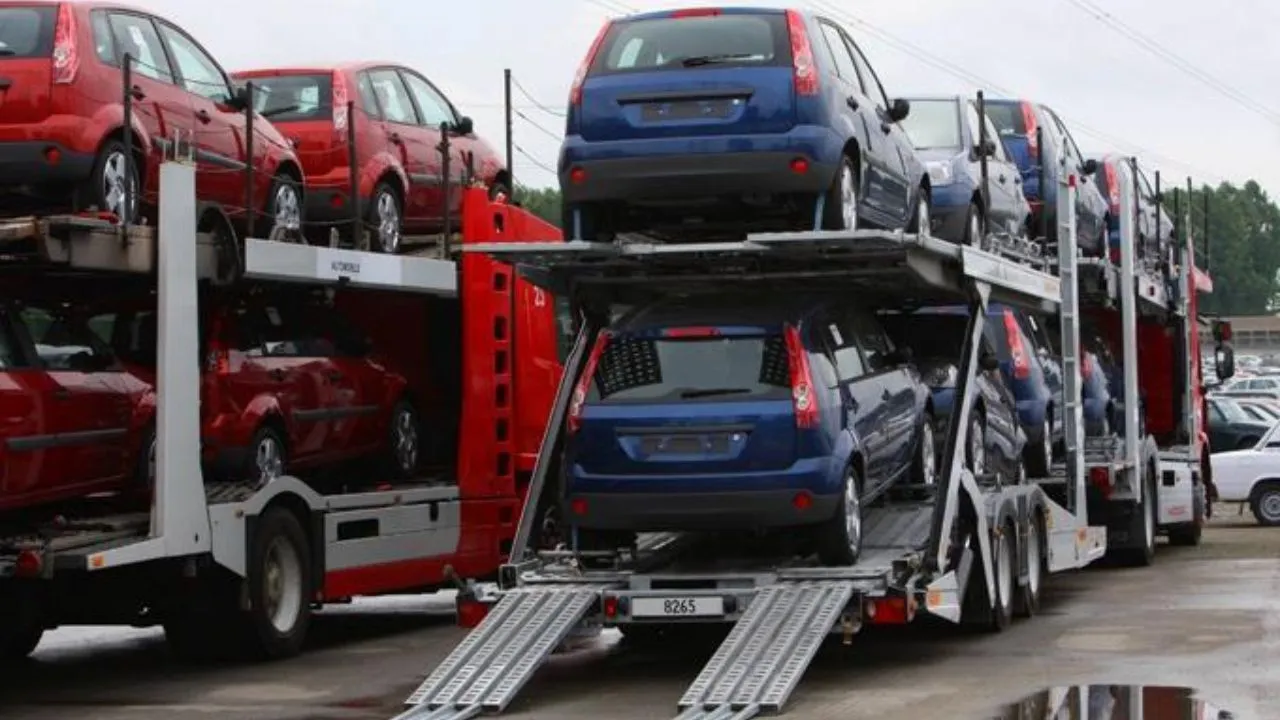
Mexico has asked the United States to lower the tariff on its vehicle exports to less than 15 percent as part of the negotiations on the revision of the Free Trade Agreement between Mexico, the United States, and Canada (USMCA), according to reports from Luis Rosendo Guitierrez, Undersecretary of Foreign Trade at the Ministry of Economy.
In the current context, one drawback for the Mexican industry stems from the fact that other countries—such as Japan, South Korea, and the European Union—pay a 15% tariff on automotive exports to the U.S. market.
In contrast, Mexico is subject to 25% Section 232 tariffs and must also comply with rules of origin that are even stricter than those in any trade agreement, which is causing a decline in production. However, goods that meet the USMCA’s rules of origin are partially exempt from Section 232 tariffs.
“Mexico has brought this up at the negotiating table; they have been receptive, and we believe that in the coming weeks and months we will be able to secure a better deal than those countries have and maintain that competitive advantage,” said Gutiérrez.
“Because if we have that competitive edge over the world’s leading automakers, then Mexico will gain market share in the United States,” the official said in remarks to the press at the conclusion of the 5th Mexico-United States Binational Convention of the American Society of Mexico in Mexico City.
Guitierrez reported that Mexico is seeking to reduce the tariffs related to Section 232, which impact the production of automobiles, steel, and aluminum. “That is the priority for Mexico: to secure the best conditions in the world for these sectors, and that is what we are working toward,” he said.
He also noted that Mexico is still in the process of modernizing the Agreement on the Promotion and Protection of Investments (APPRI) with South Korea and projected that, once this goal is achieved, investment inflows from that Asian country are expected to double.