Mexican data centers face change
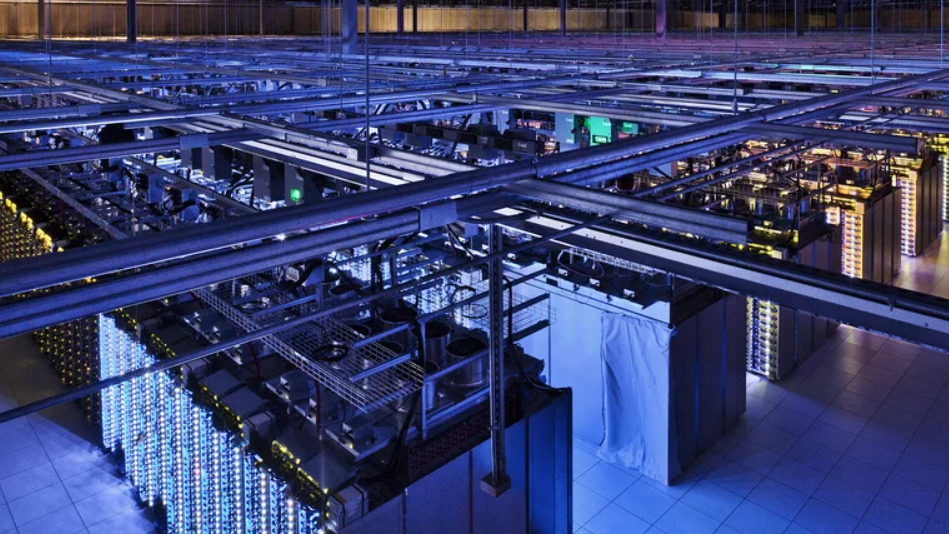
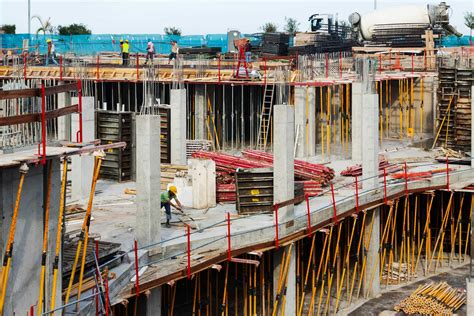
Artificial Intelligence (AI) has inevitably changed the way data centers are designed and built in Mexico, since the nearly two years it takes to lay the foundation for a facility are already being outpaced by a shorter innovation cycle for servers. The equipment will occupy the building and require a large amount of electricity, in addition to a new way to manage the heat that, according to Jesús Muñoz, WSP’s country manager in Mexico, has been a challenge since the project’s inception.
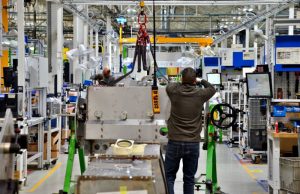
“We’re even changing our design and engineering production models to be much more responsive. In meetings I’ve had with clients, we’re bringing engineering directly into the project. We no longer do it in the office, as has always been the case in the past. We take it to the field and quickly design and oversee the construction,” Muñoz said in an interview.
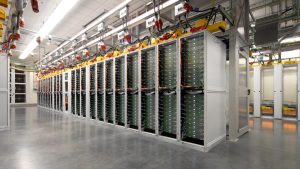
This change stems from the rapid increase in the power density of the equipment used for artificial intelligence. A rack is the cabinet where servers are mounted inside a data center; therefore, the more electricity concentrated in the same space, the greater the amount of heat that must be removed to keep the equipment at operating temperatures.
The International Energy Agency (IEA) estimates that the power density of AI servers will have increased 11-fold between 2020 and 2025 and could double four more times by 2027. By then, a single advanced rack could reach a maximum electricity demand equivalent to that of 65 households.
The International Energy Agency (IEA) estimates that the power density of AI servers will have increased 11-fold between 2020 and 2025 and could double four more times by 2027. By then, a single advanced rack could reach a maximum electricity demand equivalent to that of 65 households.