ProximityParks Begins Construction of Its New Iztapalapa Plant
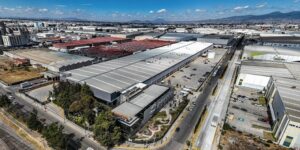
ProximityParks has begun construction on ProximityParks Iztapalapa III, a new industrial complex representing an investment of US$33 million. The project will cover an area of more than 24,000 m².
According to the company, the development and its subsequent operations are expected to generate more than 800 direct jobs in the area.
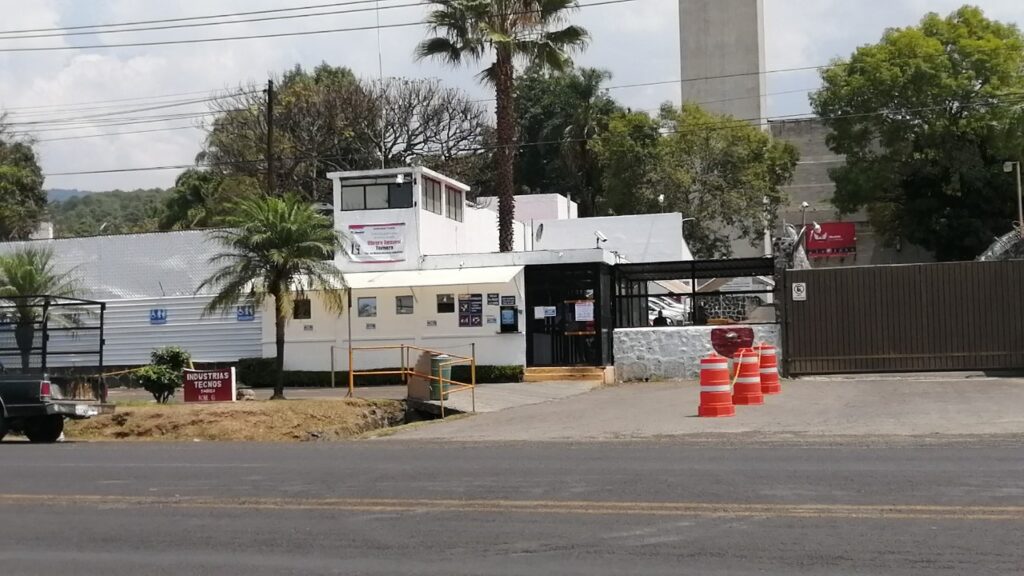
The project will be developed on the site of a former office furniture factory that operated for more than four decades before being decommissioned. Through this redevelopment, ProximityParks aims to leverage the property's existing industrial infrastructure to expand logistics capacity in Iztapalapa, one of Mexico City's areas with a high concentration of consumers.
The complex will primarily target logistics and e-commerce companies seeking to remain close to their consumer markets. Its location will allow tenants to bring inventory and distribution operations closer to final delivery destinations, reducing transit times and costs while optimizing last-mile fleet operations.
Five years ago, the company identified the property's potential for redevelopment as an urban logistics facility. The project will adapt the existing space for storage, goods distribution, logistics operations, and fleet management, addressing the growing scarcity of industrial land within urban areas.
The complex is expected to pursue LEED certification and will feature solar panels for power generation, electric vehicle charging stations, and bicycle parking. This infrastructure will enable tenants to incorporate electric vehicles into their last-mile delivery operations.
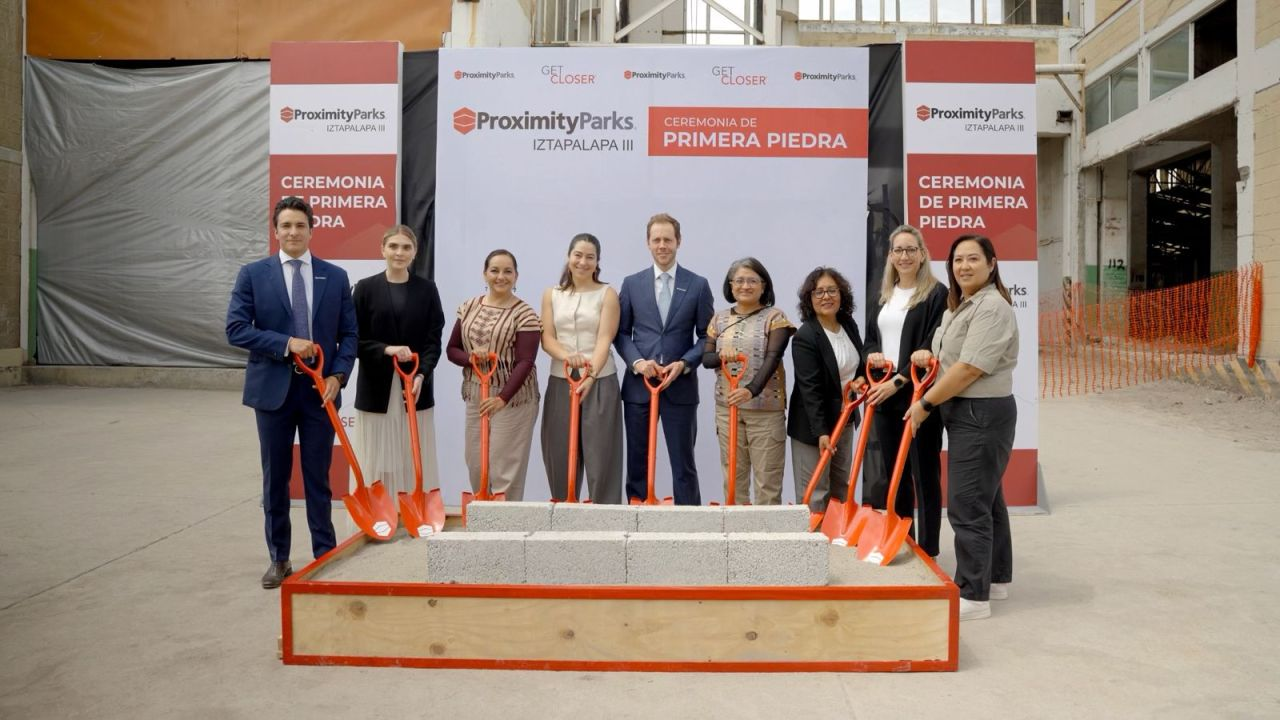
During the groundbreaking ceremony, Mario Berlanga, CEO and co-founder of ProximityParks, highlighted the project's objective of strengthening last-mile logistics infrastructure while contributing to the economic and social development of Iztapalapa and Mexico City.
Meanwhile, Manola Zabalza, Mexico City's Secretary of Economic Development, emphasized the importance of developing infrastructure close to consumer markets amid the continued growth of e-commerce and online shopping.