Mexico’s Aerospace Industry Eyes New Opportunities
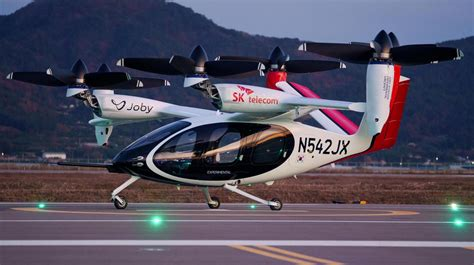
With the development of electric air taxis—capable of vertical takeoff and passenger transportation—as an alternative mode of mobility, new challenges are emerging for Mexico’s aerospace industry. These include strengthening its design, simulation, testing, and manufacturing capabilities to compete in next-generation projects.
TIME magazine’s selection of Joby Aviation’s electric aircraft as one of the best inventions of 2026 provides an opportunity to examine this challenge. The company’s aircraft is designed to carry four passengers and a pilot, taking off like a helicopter but flying like an airplane. This concept places the passenger experience at the center of its development, while also highlighting the extensive engineering behind it.
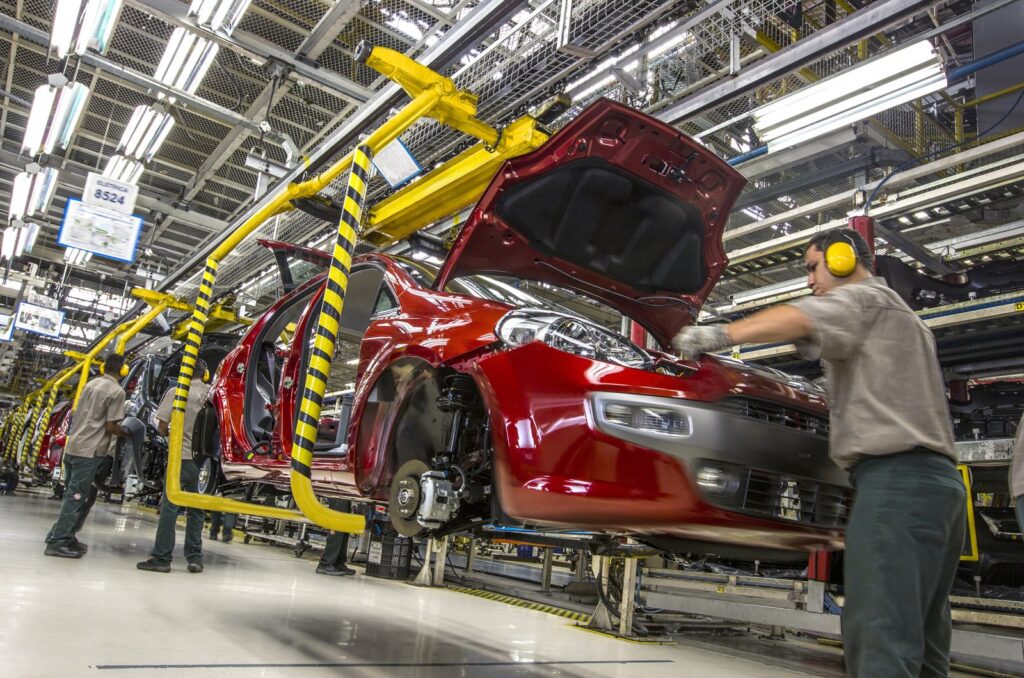
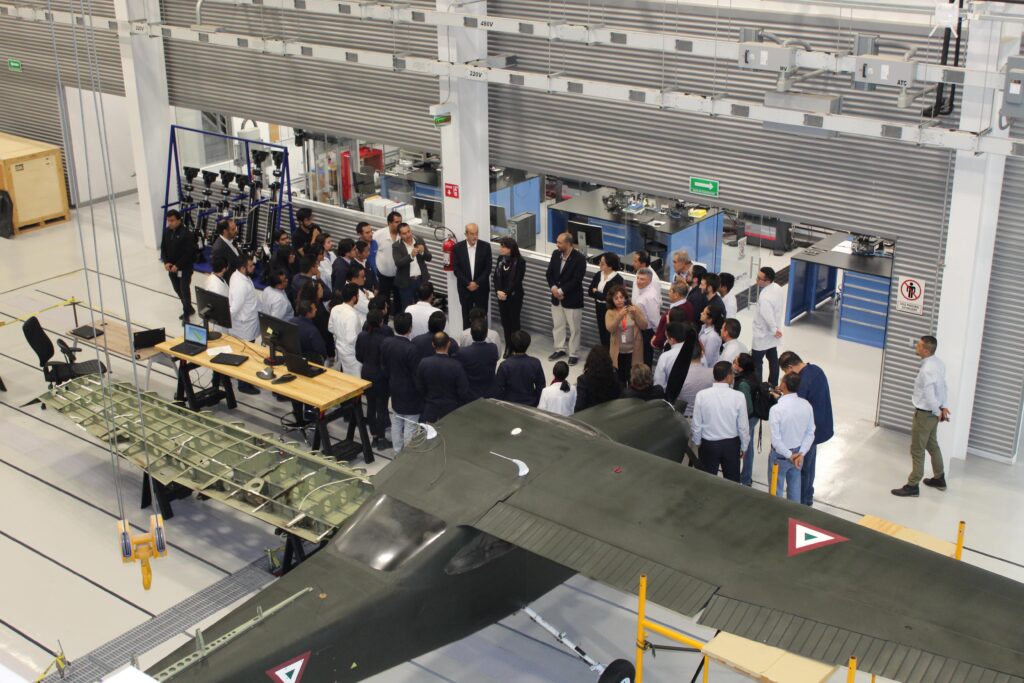
Mexico’s aerospace industry has consolidated its position in manufacturing, maintenance, and engineering. By 2024, the country exported approximately US$10.7 billion in aerospace products, ranking fourth worldwide in aerospace exports. However, manufacturing accounts for 79% of industry revenue, compared with just 11% for design and engineering, according to the U.S. International Trade Administration. This highlights an opportunity to strengthen these capabilities and enable Mexican companies to take on more specialized roles in global supply chains.
Achieving this requires understanding how design decisions affect individual components, how their performance is validated, and how that information is maintained throughout the manufacturing process. Manufacturing capabilities must therefore be complemented by the ability to demonstrate why and how a component fulfills its intended function.
Joby Aviation provides a clear example of this relationship. The company relies on Dassault Systèmes’ 3DEXPERIENCE platform to manage aircraft development, allowing engineering and manufacturing teams to work simultaneously using shared data. This common digital environment integrates disciplines ranging from composite structures to electronics, propulsion systems, and batteries.
One of the key factors is maintaining continuity between design and manufacturing. Joby uses CATIA for design and ENOVIA to manage engineering data. The platform facilitates the transfer of information to manufacturing operations while ensuring traceability, enabling the company to track the relationship between technical decisions and the final physical product.
Testing completes this process by establishing safety requirements, preparing test plans, and demonstrating regulatory compliance. For Mexico’s aerospace industry, the lesson is clear: participating in increasingly complex projects requires technical knowledge to be shared, validated, and documented.
These capabilities can be developed through the integration of requirements, design versions, test results, and manufacturing instructions within a single process. Collaborative projects between companies and universities also allow students to apply these practices during their engineering education, with a specific objective: taking a design from concept to production while maintaining supporting documentation at every stage.
Electric air taxi development represents an opportunity for Mexico to strengthen these capabilities and expand the participation of its engineers in increasingly sophisticated aerospace projects.