Querétaro to Add 18 Data Centers
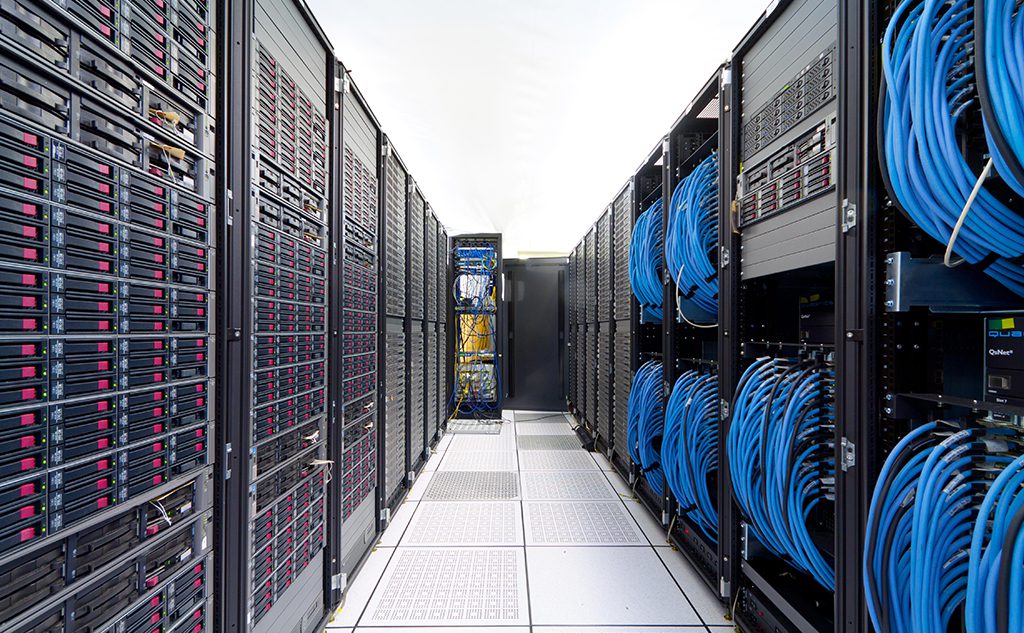
Around 18 data center projects are expected to be developed in Querétaro. Given the state’s strategic position for attracting these types of companies, state authorities have been working to monitor water consumption in response to demands from civil society.
Marco del Prete Tercero, head of the state’s Secretariat of Sustainable Development (Sedesu), said that, in collaboration with the Mexican Data Center Association, the state is promoting a project to ensure that, starting in 2027, companies in the sector disclose the amount of water they consume, among other information.
He clarified that the National Water Commission (Conagua) is responsible for allocating water volumes, while the Federal Electricity Commission (CFE) determines available energy capacity.
The state government’s role, he explained, is to ensure that the land where these facilities are built meets the necessary requirements.
Regarding concerns about the environmental impact of the industry, he said companies must comply with current regulations and argued that any proposal to suspend permits should be supported by technical studies demonstrating their potential impact.
He also explained that data centers use less water than they did 10 or 15 years ago due to advances in cooling technology.
Some facilities, he noted, use air-cooling systems, reducing their reliance on water to keep equipment operating.
Regarding the sector’s size in Querétaro, Del Prete said there are approximately 12 data centers currently in operation, with a combined energy capacity of between 200 and 250 megawatts. Nationwide, the sector generates nearly 95,000 jobs.
He added that approximately 18 projects are currently in the pipeline for construction in different municipalities across the state.
“There are about 18 facilities to be built in various municipalities. The advantage of data centers is that they go wherever there is power—it could be Huimilpan, Corregidora, Querétaro, Colón, or San Juan del Río—wherever they can find power,” he added.