FAZT Invests US$500,000 in Guadalajara
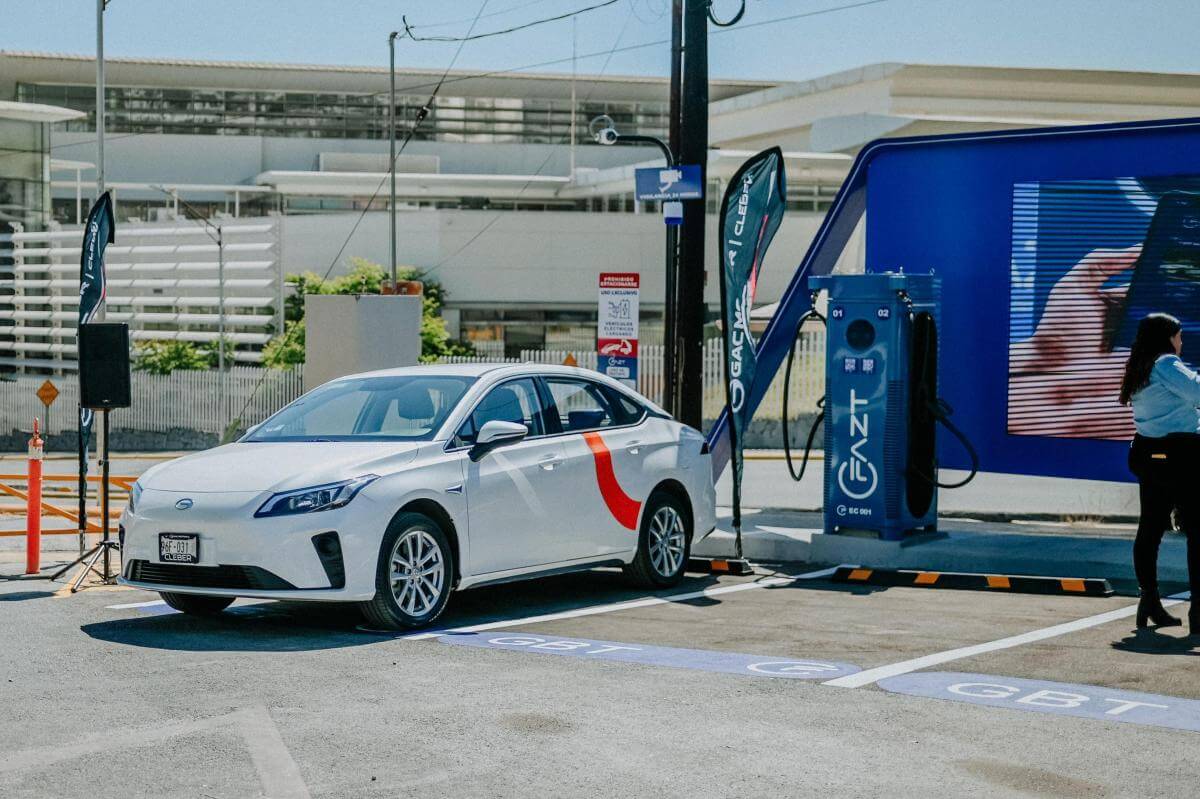
FAZT, a specialist in ultra-fast charging infrastructure for electric vehicles, has opened a new station, called Río Nilo, at Soriana Híper Río Nilo in Guadalajara. With an investment of US$500,000 per station, the company aims to open 200 stations annually and reach a total of 1,000 by 2030. According to a company press release, the opening brings FAZT’s total number of stations in Jalisco to four and reinforces the state’s position as a strategic hub for the development of electric mobility in Mexico.
Javier Cuartas, CEO of FAZT, and Manuel Jesús Herrera Vega, Jalisco’s Secretary of Sustainable Energy Development, participated in the event, leading the ribbon-cutting ceremony and attending a live charging demonstration.
The new station offers 12 ultra-fast charging points, each with a capacity of 120 kW, equipped with GB/T, CCS1, and NACS technology. It also provides 24/7 service. Customers can manage their charging sessions through the FAZT app, with no activation fee or minimum charging requirement.
“This opening represents another step forward in our strategy to bring ultra-fast charging infrastructure to Mexican drivers. Jalisco is a strategic market for electric mobility, and we want to help ensure that more and more people can adopt this technology through a reliable, accessible network available at key locations,” said Javier Cuartas, CEO of FAZT.
Furthermore, Manuel Jesús Herrera Vega, Jalisco’s Secretary of Sustainable Energy Development, said that “the transition to more sustainable mobility requires infrastructure and investment, as well as collaboration between the public and private sectors. The addition of new charging stations in Jalisco helps create better conditions for promoting the use of electric vehicles and moving toward a more sustainable energy model.”
As part of its infrastructure expansion strategy, FAZT seeks to offer a competitive-cost alternative. Its current rate is US$0.45 per kWh, including VAT, at all of its stations. Based on this rate, an electric vehicle with an average consumption of 12 kWh per 100 kilometers costs approximately US$0.054 per kilometer, compared with US$0.084 per kilometer for a gasoline-powered vehicle with a fuel efficiency of 15 kilometers per liter, assuming a fuel price of US$1.27 per liter.