Mexico faces a number of challenges in the area of electromobility
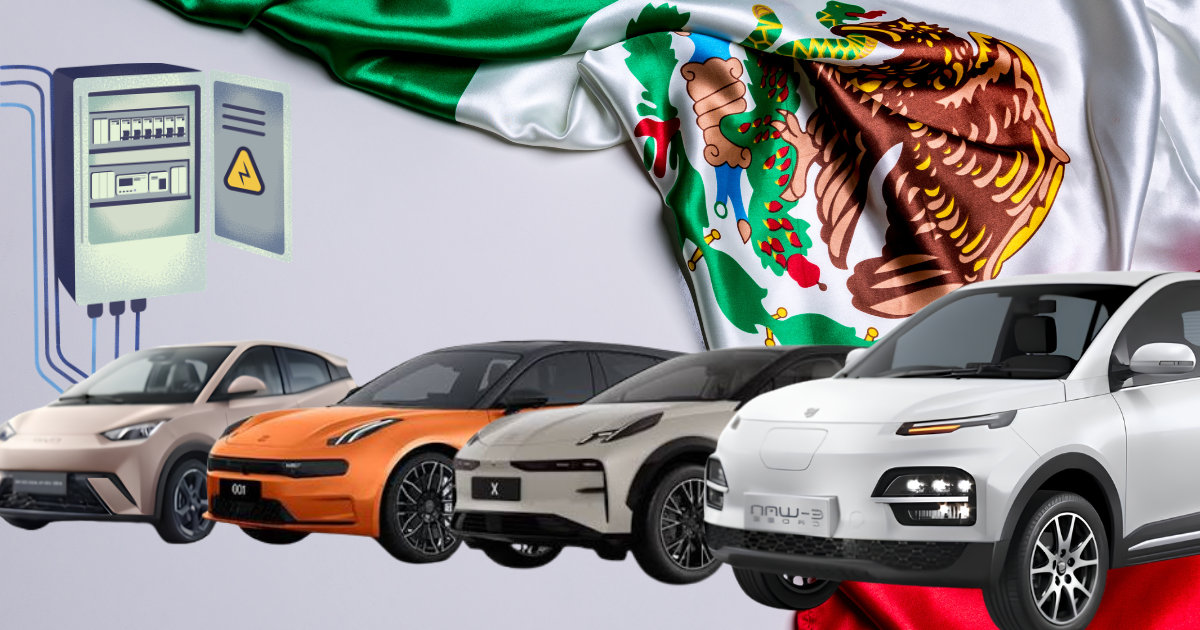
Mexico is currently facing a situation full of contrasts when it comes to electromobility. While the adoption of electric vehicles is on the rise among domestic consumers, domestic production now faces two major challenges: a slowdown in U.S. demand due to trade adjustments and a supply chain that relies on strategic components from Asia.
MUNDI, the financial technology company specializing in financing services for exporting SMEs and their supply chains, held the seminar “Electromobility in Mexico: Challenges and Opportunities for the Sector,” during which participants discussed electromobility in Mexico.
In Mexico, 12.7% of the light-duty vehicle market is now made up of electric vehicles, according to the latest data from INEGI. During the first half of the year, 112,313 electric vehicles were sold: 77,012 conventional hybrids (HEVs), 18,696 plug-in hybrids (PHEVs), and 16,605 all-electric vehicles (BEVs). PHEVs posted the highest growth.
In Mexico, there are currently 263,928 electric vehicles, according to the latest EMA Electromobility Barometer. This increase in the adoption of electric vehicles has been driven by the growth in infrastructure: there are 60,939 charging stations in Mexico, according to the EMA.
Mexico has a well-established automotive sector; however, the current landscape presents both challenges and opportunities in an industry that needs to strengthen its value chain to meet demand and adapt to new conditions in international trade.
Opportunities extend beyond private cars: public transportation, freight vehicles, last-mile delivery, and micromobility broaden the scope of the transition and create new needs for infrastructure, regulation, and financing. The expansion of these segments aims to develop capabilities in electric motors, inverters, thermal management systems, charging infrastructure, and battery second life. At the same time, the growth of micromobility brings with it regulatory and public policy challenges related to traffic and safety.
It has been estimated that revenue from electric vehicles could reach $1.1 billion in 2026 and $1.9 billion globally by 2031, with a compound annual growth rate of 10.36%.
Experts agree that strengthening the domestic supply chain, expanding the charging infrastructure, modernizing regulations, and facilitating access to capital are the key elements for transforming the development of electromobility in Mexico and turning it into an opportunity to generate greater value and strengthen the country’s presence in global markets.